About the NSPS

NSPS History & Background
In 2015, due to the global surge in Ebola virus disease cases, the Administration for Strategic Preparedness and Response (ASPR) established the National Ebola Training and Education Center, the Regional Ebola Treatment Network (RETN), and the Regional Ebola and other Special Pathogen Treatment Centers to provide coordinated care in response to Ebola. State-based Special Pathogen Treatment Centers (SPTCs) and Assessment Centers were also added in 2016 to provide more access to care facilities.
The National Ebola Training and Education Center rebranded in 2019 to provide a more robust special pathogen role to become the National Emerging Special Pathogen Training and Education Center (NETEC). The RETN eventually rebranded to become the National Special Pathogen System (NSPS). The Regional Ebola Treatment Centers also rebranded to become the Regional Emerging Special Pathogen Treatment Centers (RESPTCs).


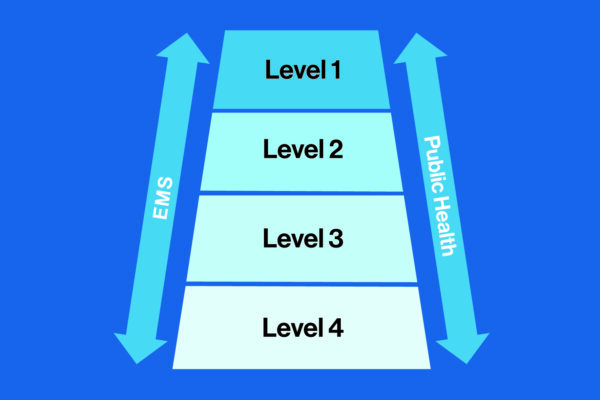
Evolution of the NSPS
ASPR partnered with NETEC to expand and develop a National Special Pathogen System (NSPS) strategy. Implementation of the Strategy is in progress and is led by NETEC today.


NSPS Leadership
As the Coordinating Body, NETEC’s leaders, particularly the NSPS Executive Director, play a critical role in the success of NSPS implementation. The NSPS Steering Committee provides governance and oversight as the NSPS expands and grows its capabilities.
Shelly Schwedhelm (Region 7) serves as the NSPS Executive Director from the University of Nebraska Medical Center. The role of the Executive Director is to provide guidance and leadership as the NSPS evolves but also to work in close collaboration with NETEC leaders and members of the RESPTC healthcare facilities to ready the nation for special pathogen events.