
National Emerging Special Pathogens Training and Education Center
Working together to increase the capability of the U.S. public health and health care systems to safely and effectively manage special pathogens.


Preparing for the Unexpected: Lessons from Emerging Infectious Diseases
In the latest episode of Transmission Interrupted, host Jill Morgan, RN, speaks with epidemiologist, researcher, and author Dr. Stephen Morse about the emergence of HIV, the origins of his landmark book Emerging Viruses (1993), and how infectious disease threats continue to surprise us.
Malaria and VHF: Navigating Testing and Clinical Decision-Making
Join a webinar on November 18 at 1 p.m. EDT to explore practical approaches to malaria testing and the evaluation of patients with suspected VHF. Frontline healthcare professionals will learn how to navigate testing options, laboratory safety considerations, interpretation of results, and clinical decision-making to support timely and appropriate patient care.
National Special Pathogens System (NSPS)
The National Special Pathogen System (NSPS) helps the country prepare the health care system, protect the health care workforce, and respond to special pathogen events by coordinating special pathogen care across the United States.
Recent News
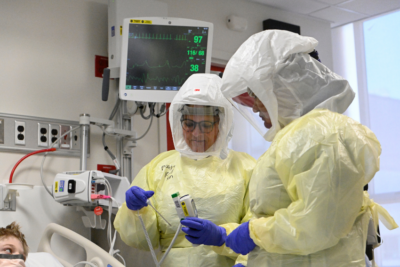
Andes Hantavirus: What New Research Means for Clinical Preparedness
Learn about the research behind a recent New England Journal of Medicine review on the evolving evidence around Andes virus treatment, and what the findings mean for special pathogen preparedness.
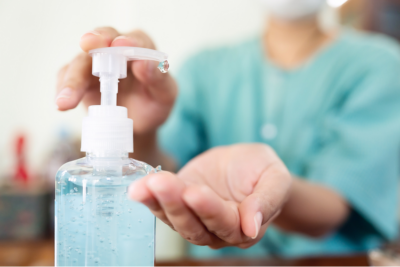
Beyond PPE: What Research Reveals About Infection Prevention in Practice
Explore research on infection prevention challenges in emergency departments and how collaboration between frontline staff and infection preventionists strengthens safety and HCID preparedness.
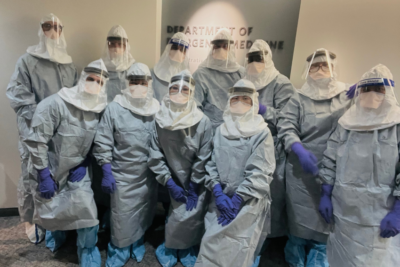
Ready for Anything: Emergency Nurses’ Role in Special Pathogen Preparedness
In recognition of Emergency Nurses Week, NETEC spoke with two emergency nurses who bring their frontline experience to special pathogen preparedness.