DOT Guidance on Monkeypox Virus Waste
Share this article
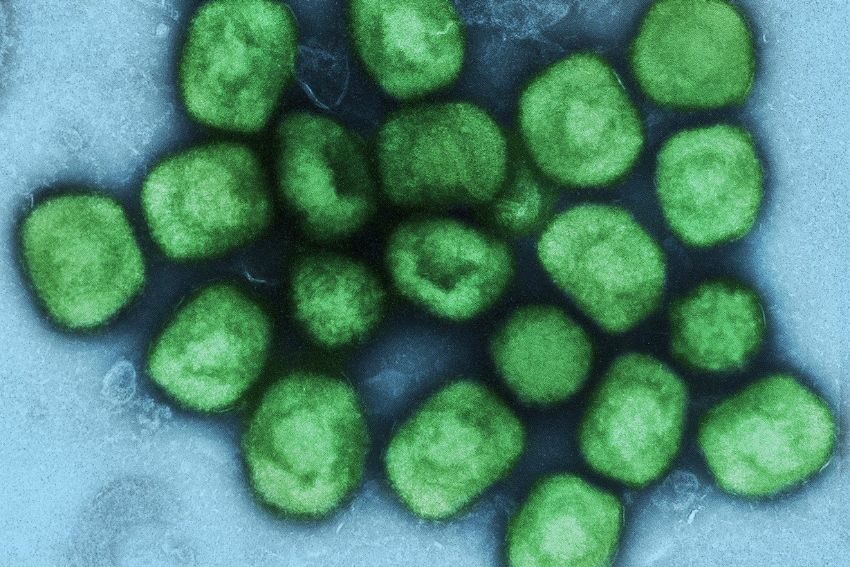
The U.S. Department of Transportation (DOT) Pipeline and Hazardous Materials Safety Administration (PHMSA) has collaborated with the Centers for Disease Control and Prevention (CDC) to address an emerging challenge: the handling of diagnostic samples and clinical waste containing monkeypox virus (MPXV).
The advice published on March 11, 2024, clarifies that diagnostic samples and clinical waste containing MPXV clade I or II should be designated as Category B infectious substances except when they contain or are contaminated with cultures of clade I MPXV. Read the DOT Safety Advisory Notice (DOT, https://www.phmsa.dot.gov/transporting-infectious-substances/safety-advisory-notice-classification-mpxv-diagnostic-samples, accessed 3/21/24).
The update comes at a key moment, as an outbreak of MPXV that began in August 2023 in the South Kivu Province of the Democratic Republic of the Congo (DRC) continues to spread. (WHO, https://www.who.int/emergencies/disease-outbreak-news/item/2023-DON493, accessed 3/21/24)
There are two distinct MPXV clades—clade I (formerly known as Congo Basin) and clade II (formerly known as West African)—with unique disease manifestations, including how the disease presents itself in people, the severity of its effects, and how readily it spreads. Human disease associated with clade II MPXV infection is typically less severe and associated with less human-to-human transmission compared to infections with clade I MPXV.
Previous recommendations for classifying and managing materials containing or contaminated with MPXV have varied based on the virus clade.
However, the CDC has provided new insights that emphasize the importance of considering both the clade of the virus and the form of the materials when classifying and managing MPXV materials. While previous distinctions were primarily based on clade differences, recent analyses indicate that countermeasures effective against clade II MPXV are likely to be equally effective against clade I. Consequently, most MPXV materials, except viral cultures, are now recommended to be classified as Category B infectious substances for transportation.
Under these updated guidelines, clinical waste containing MPXV materials, regardless of clade, can be transported as “UN3291, Regulated medical waste, n.o.s., 6.2.” Similarly, patient diagnostic samples are classified as “UN3373, Biological substance, Category B, 6.2.” However, it’s important to note that viral cultures of clade I MPXV still pose a higher risk and are therefore classified as Category A infectious substances.
The PHMSA and the CDC will continue to monitor current and future outbreaks of MPXV to provide updates to waste management guidance. Read the updated guidance on Managing Solid Waste Contaminated with a Category A Infectious Substance (DOT, https://www.phmsa.dot.gov/transporting-infectious-substances/planning-guidance-handling-category-solid-waste, accessed 3/21/26).