Beyond the Bug Spray: 5 Ways Families Can Stay Healthy This Summer and School Year
Share this article
Summer adventures, family travel, outdoor activities, and the return to school all bring new opportunities for children to learn, explore, and connect. They can also introduce health risks that many parents worry about—from mosquito bites and ticks to public restrooms, lice, and the spread of common illnesses.
In a recent episode of Transmission Interrupted, NETEC host Jill Morgan spoke with Dr. Andi Shane, Division Chief of Pediatric Infectious Diseases at Emory University and Medical Director of the Special Care Unit at Children’s Healthcare of Atlanta, about practical ways families can reduce these risks and build healthy habits that last beyond the summer months.
Their conversation highlighted an important reality: many of the health concerns that generate the most anxiety for parents are often preventable—and in many cases, less dangerous than people think. As the discussion made clear, the biggest threats are not always the ones that seem the scariest. The key is preparation, awareness, and a healthy dose of perspective.
Here are five ways families can stay ahead of common summer and back-to-school health risks.
1. Build Healthy Habits Before You Need Them
Whether children are heading to camp, traveling with family, or preparing for a new school year, prevention starts long before exposure occurs.
Simple routines such as proper handwashing, using hand sanitizer, covering coughs and sneezes, and recognizing when to stay home while sick can help reduce the spread of illness in schools, camps, and other group settings.
Just as importantly, practicing these habits at home helps children feel more comfortable using them independently when they encounter new environments. Dr. Shane also recommends preparing children for unfamiliar situations ahead of time—whether that’s using a public restroom, staying in a hotel, or navigating a new travel destination.
The lesson: preparedness begins with everyday routines.
2. Know Which Bugs Deserve Your Attention
When it comes to outdoor activities, not all bug bites carry the same risk.
While most mosquito bites in the United States cause little more than itching and irritation, ticks remain a more significant concern because they can transmit diseases such as Lyme disease and ehrlichiosis. In some parts of the country, ticks can also be associated with conditions such as alpha-gal syndrome.
Families can reduce risk by:
- Using EPA-approved insect repellents
- Wearing protective clothing when practical
- Performing tick checks after outdoor activities
- Checking pets that may bring ticks indoors
- Removing ticks promptly if found
As Dr. Shane noted, mosquitoes are often more uncomfortable than dangerous. Ticks, on the other hand, deserve a closer look—sometimes literally. Checking exposed skin, scalps, and other hard-to-see places after outdoor adventures can help identify ticks before they have a chance to cause problems.
Understanding which exposures matter most helps families focus on prevention strategies that provide the greatest benefit.
3. Curiosity Is Healthy—But Supervision Matters
Children naturally explore the world through all five senses—including touch and, sometimes to their parents’ horror, taste.
That curiosity is an important part of childhood, but it can also create opportunities for unintended exposures during travel, camping trips, hikes, and outdoor adventures. As Dr. Shane explained, children often learn about their environment by touching things—and occasionally by putting them in their mouths.
That doesn’t mean parents need to hover over every outdoor adventure. But it does mean keeping a watchful eye when children are exploring unfamiliar environments where they may encounter insects, plants, mushrooms, untreated water, or other substances that aren’t safe to eat or drink.
The goal is not to limit exploration. It’s to help children explore safely.
4. Focus on the Real Risks in Public Spaces
Public restrooms often rank high on parents’ lists of concerns, but the greatest risk is usually not where people think.
Rather than toilet seats themselves, germs are more commonly spread through high-touch surfaces such as door handles, faucets, and other frequently used fixtures. That’s why hand hygiene remains one of the most effective tools for preventing illness.
Thorough handwashing, use of hand sanitizer when sinks are unavailable, and minimizing unnecessary contact with surfaces can significantly reduce exposure risks. Families may also find it helpful to carry disinfecting wipes when traveling.
Sometimes the simplest preventive measures are also the most effective.
5. Prevention Is the Best Back-to-School Strategy
As children return to classrooms, sports, and extracurricular activities, healthcare providers often see a predictable increase in common illnesses.
Respiratory infections such as colds, influenza, RSV, COVID-19, and strep throat tend to spread more easily once children are spending long hours together indoors. Stomach viruses and other gastrointestinal illnesses can also make the rounds as students share classrooms, cafeterias, and common spaces.
Part of the reason is simple: after a summer spent traveling, attending camps, and interacting with different groups of people, children bring new germs back to school with them. Add crowded classrooms, shared lunches, and plenty of opportunities for close contact, and those exposures can spread quickly.
While conditions such as head lice may also make an unwelcome appearance after camp or during the first weeks of school, they are generally more inconvenient than dangerous. As Dr. Shane noted, lice may be unpleasant and itchy, but they do not spread disease.
Families can reduce the risk of serious illness by focusing on proven prevention strategies:
- Keeping vaccinations up to date
- Maintaining regular pediatric care
- Encouraging hand hygiene and respiratory etiquette
- Keeping children home when they are sick
These measures not only protect individual children but also help reduce transmission throughout schools and communities.
Small Actions, Big Impact
If there’s a theme that ties all of these summer and back-to-school risks together, it’s that preparation beats panic.
Most mosquito bites are annoying, not dangerous. Ticks deserve attention. Public restrooms are less scary than the surfaces we touch inside them. Head lice are unpleasant but don’t spread disease. And while children may be tempted to investigate the world one touch—or taste—at a time, a little preparation and supervision can go a long way.
The bottom line? Keep the bug spray handy, check for ticks, wash hands often, stay up to date on vaccinations, and, whenever possible, discourage children from eating things they find outdoors.
🎧 Listen to the full episode of Transmission Interrupted.
Also available on your favorite podcast and streaming platforms.
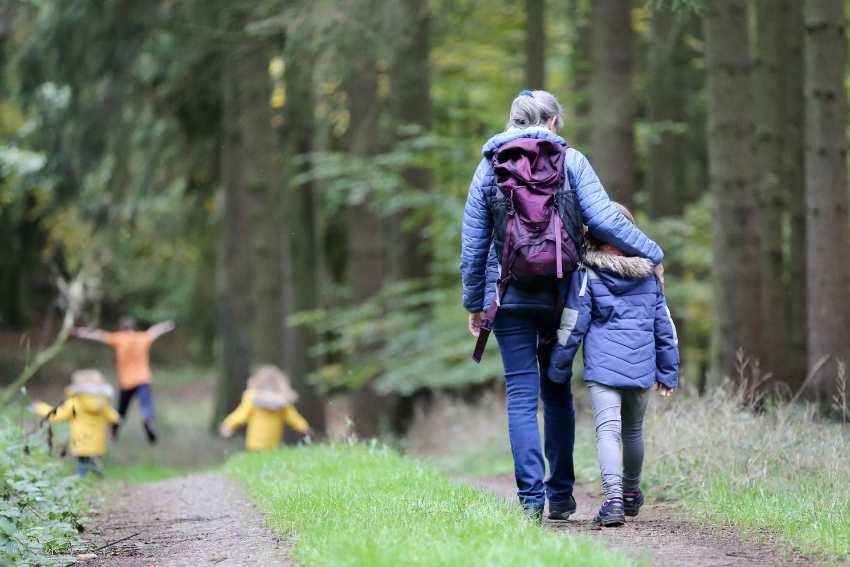
Photo by Juliane Liebermann on Unsplash