In-Person Trainings Strengthening Frontline Readiness for Special Pathogens
Share this article
Emerging infectious diseases continue to challenge healthcare systems around the world. While the likelihood of encountering a patient with a high-consequence infectious disease (HCID) remains low for most facilities, maintaining readiness requires more than plans and protocols—it requires practice. Frontline healthcare workers must be prepared to act quickly, safely, and confidently when every minute counts.
While virtual education plays an important role in building awareness and foundational knowledge, in-person, scenario-based training remains essential to ensuring healthcare teams are ready when it matters most.
Across the country, NETEC and the Regional Emerging Special Pathogen Treatment Centers (RESPTCs) are working together to deliver these immersive experiences—strengthening workforce readiness and building a more resilient healthcare system.
Why In-Person Training Matters
Responding to high-consequence infectious diseases (HCIDs) requires more than knowledge—it requires practice.
In-person training allows healthcare workers to:
- Build muscle memory through repeated, hands-on skill practice
- Work in full PPE, navigating the physical and cognitive challenges of real response conditions
- Engage in scenario-based exercises that simulate real-world decision-making
- Strengthen team coordination across disciplines
These experiences create a level of confidence and preparedness that cannot be replicated in a virtual setting alone.
Training in Action: Scenario-Based Preparedness
NETEC’s immersive, in-person training programs bring these concepts to life through interdisciplinary, scenario-based learning.
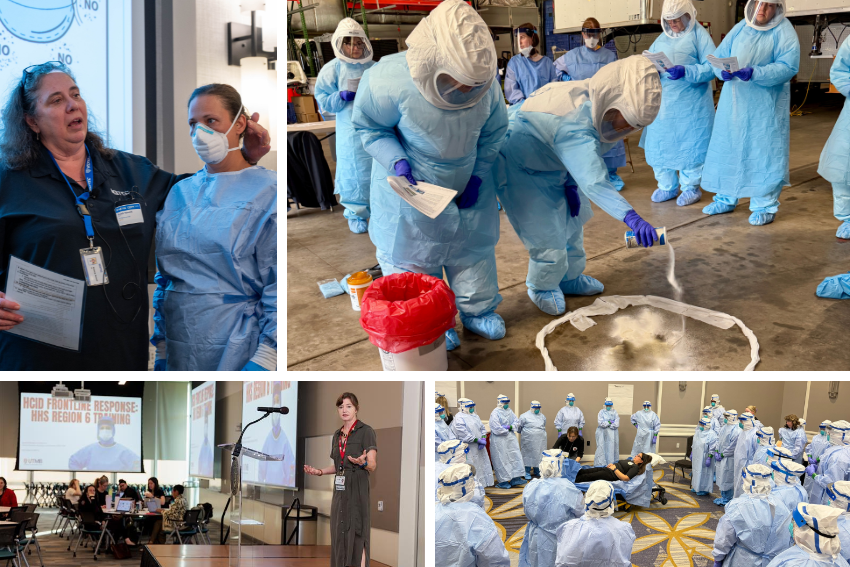
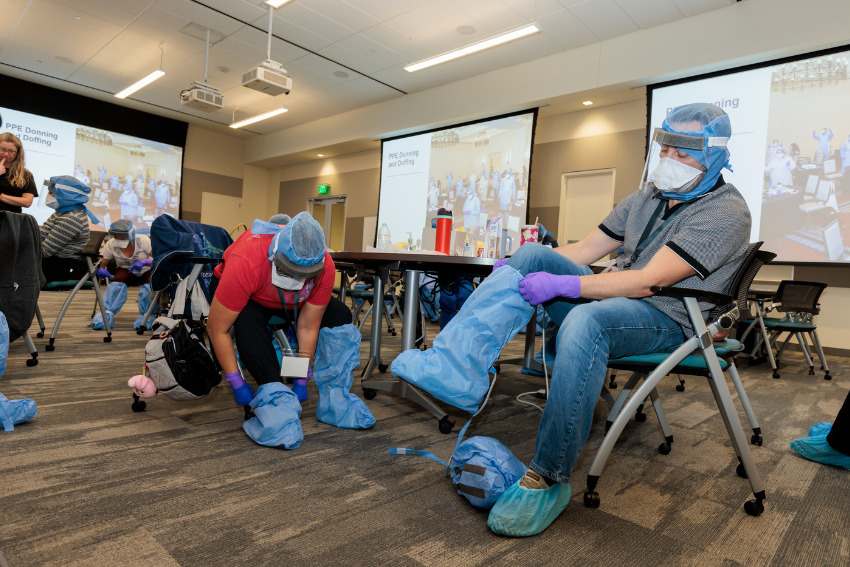
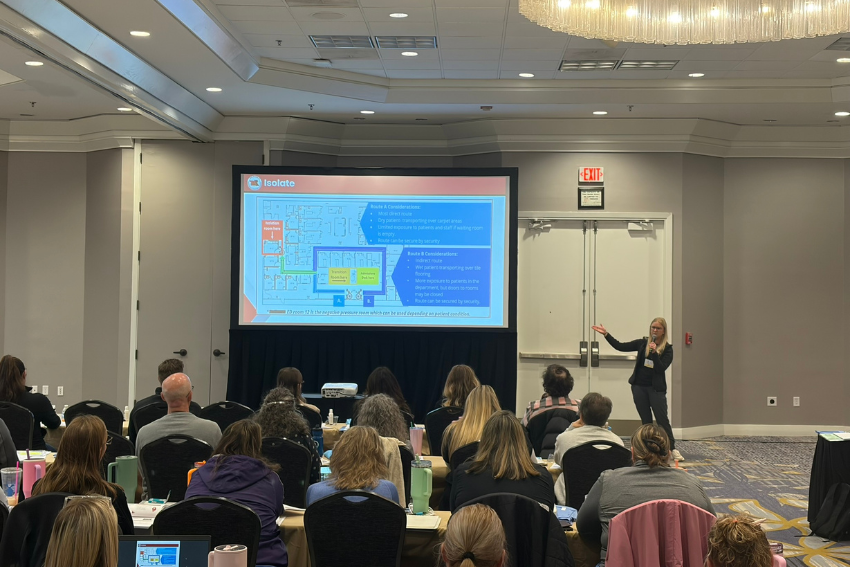
Designed for frontline healthcare personnel, these trainings emphasize the “Identify, Isolate, Inform” (I-I-I) framework and challenge participants to apply it in realistic scenarios. Through hands-on exercises, teams practice everything from PPE donning and doffing to patient containment, waste management, and coordinated response.
In Nashville, Tennessee, NETEC recently partnered with HCA Healthcare to deliver a tailored training for 37 participants focused on frontline readiness. Participants practiced recognizing potential HCID cases, implementing isolation protocols, and coordinating across disciplines in real time.
By combining technical skills with scenario-based decision-making, these trainings help translate knowledge into action.
A National Network, Delivered Regionally
Together, NETEC and the Regional Emerging Special Pathogen Treatment Centers (RESPTCs) provide a coordinated national approach to preparedness through the National Special Pathogen System (NSPS), connecting frontline healthcare facilities with the training, expertise, and operational support needed to safely identify, isolate, and care for patients with special pathogens.
Level 1 facilities—Regional Emerging Special Pathogen Treatment Centers (RESPTCs)—serve as regional resource hubs, providing highly specialized care while also leading training, outreach, and coordination efforts across their regions.
In addition to NETEC-led trainings, RESPTCs provide hundreds of hours of hospital-based HCID training to regional facilities, helping prepare frontline staff to safely identify, isolate, inform, and manage special pathogen cases.
Across the country, these efforts take many forms:
- In Kansas, the Region VII RESPTC at the University of Nebraska and Nebraska Medicine partnered with the Kansas Department of Health and Environment to host a hands-on preparedness workshop at the 2026 Infection Prevention Conference in Wichita. More than 180 participants engaged in real-world scenarios and interactive skills stations designed to strengthen HCID response.
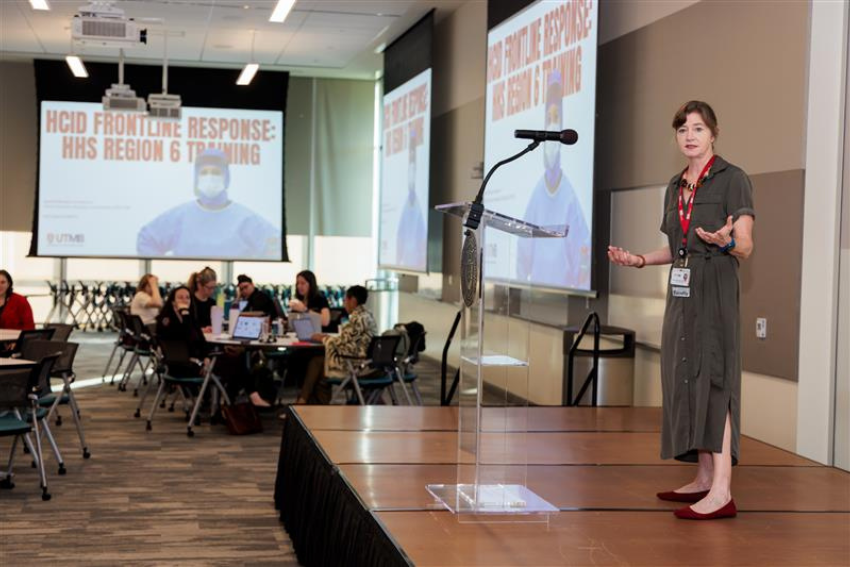
- In Texas, UTMB’s SPECTRE program delivered Regional Frontline HCID Response Training, offering applied, scenario-based learning focused on PPE, infection control, coordinated response, and real-world decision-making.
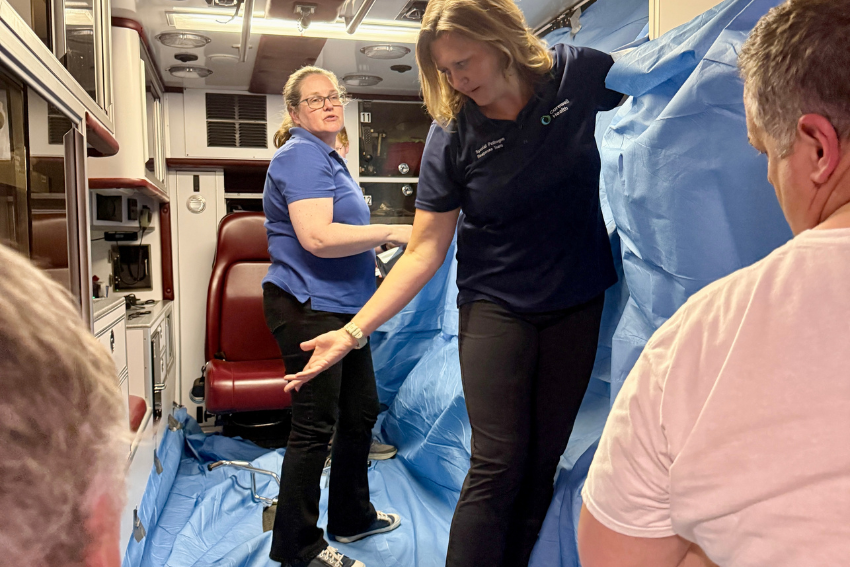
- In New York, NETEC partnered with the New York State Department of Health and Bellevue Hospital (Region 2 RESPTC) to train EMS teams at the Albany Airport Fire Department. More than 10 EMS teams practiced PPE protocols, ambulance preparation, and safe waste management—critical skills for transporting high-risk patients.
- In Illinois, Corewell Health (one of two Region 5 RESPTCs) led a 3-day course with 60 attendees participating from five EMS agencies, 11 hospitals and two public health departments. Participants were able to build confidence in early identification, proper use of PPE, safe patient transport, and coordinated communication between EMS and receiving facilities.
- Additional regional efforts have included just-in-time EMS training on ambulance preparation, PPE use, and decontamination protocols, ensuring responders are equipped to safely manage HCID transport scenarios.
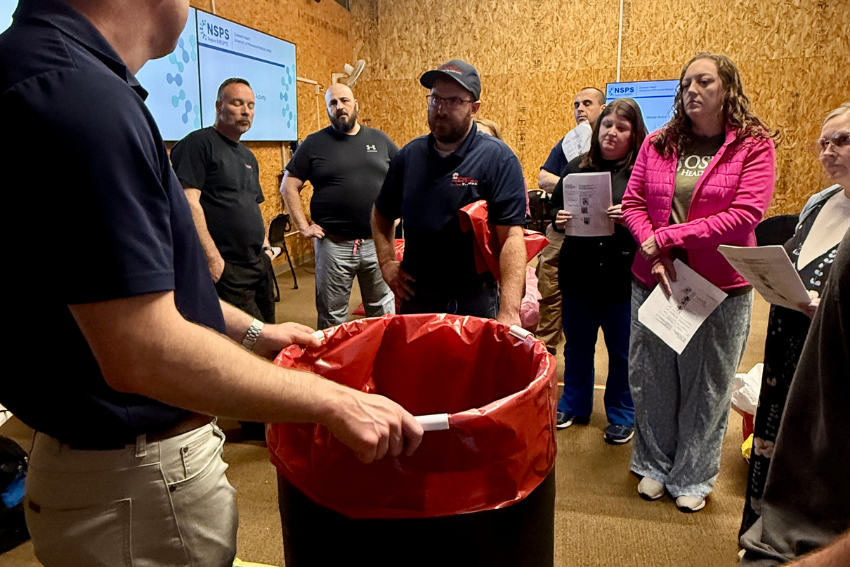
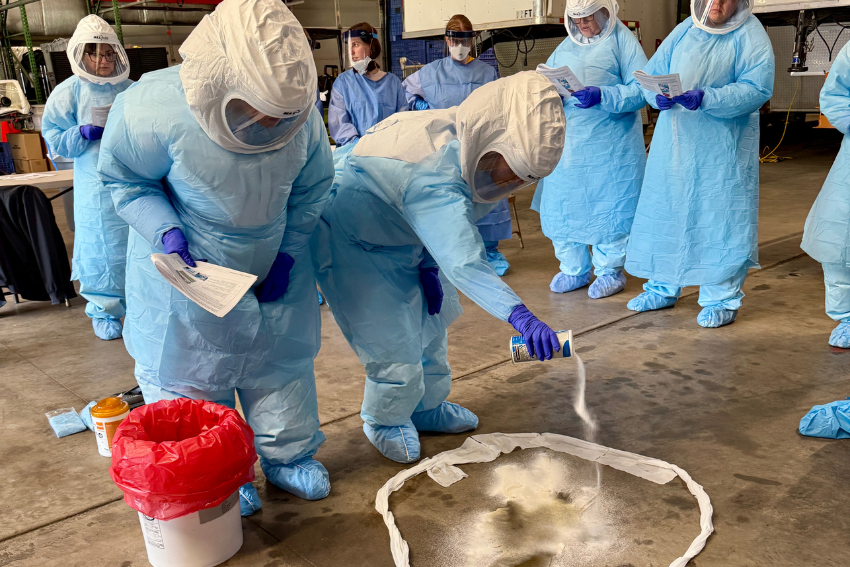
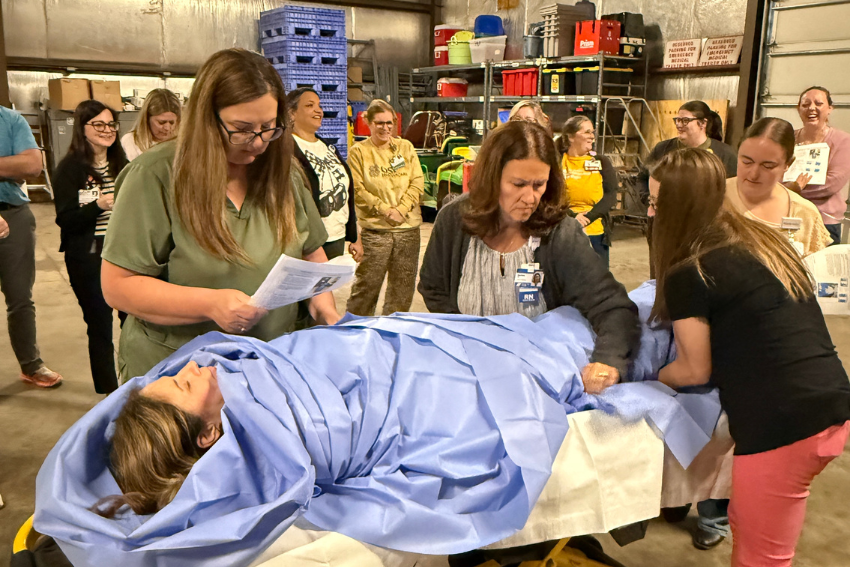
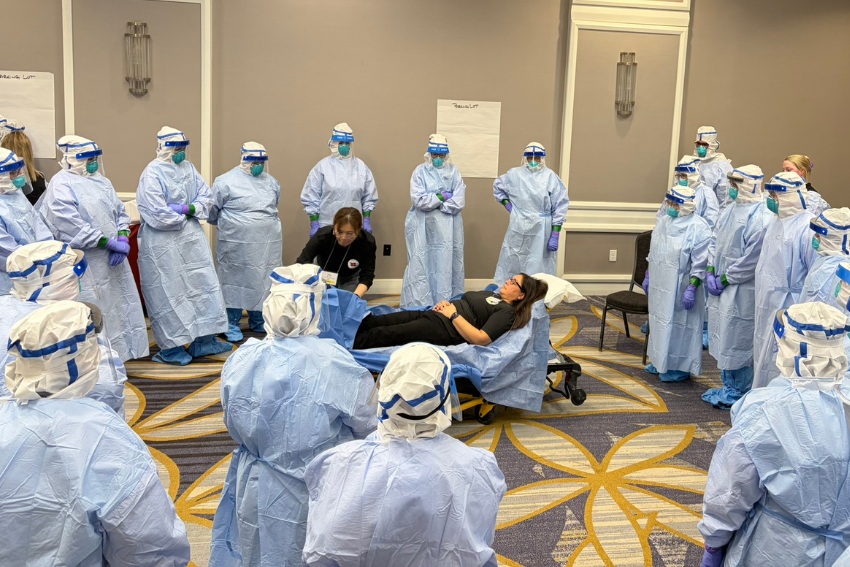
These examples reflect a broader truth: while the approach may vary by region, the goal is the same—ensuring frontline teams are ready to respond safely and effectively.
Beyond the Classroom: A Comprehensive Approach to Readiness
In-person training is one part of a larger preparedness ecosystem supported by NETEC and the RESPTCs.
Together, they deliver:
- Online education and training: Courses, webinars, and podcasts that extend reach nationwide and globally
- Technical assistance and consultations: 282 engagements in FY2025 supporting hospitals, EMS, and health systems
- Exercises and drills: Including national tabletop and full-scale exercises that prepare healthcare organizations to respond to emerging infectious disease events and other large-scale public health emergencies.
- Readiness tools: Checklists, planning guides, and just-in-time resources for frontline use
- Expert-driven workgroups: Nearly 300 subject matter experts advancing guidance, training, and response capabilities
This layered approach ensures that learning is continuous, reinforced, and immediately applicable.
Measuring Impact
The impact of these efforts is measurable.
In FY2025 alone, NETEC delivered:
- 10,905 training hours to
- 3,099 healthcare professionals across digital and in-person formats
At the same time, the RESPTC network demonstrated strong readiness, with:
- 100% activation readiness
- 98% readiness to coordinate transport and deliver care
These metrics reflect a system that is not only active—but prepared.
Building Confidence, Strengthening Systems
The value of in-person training extends beyond individual participants.
It builds:
- Confidence in frontline healthcare workers
- Consistency in applying protocols
- Coordination across teams and systems
- Resilience across the healthcare system
Emerging infectious diseases will continue to challenge healthcare systems, often with little warning. Maintaining readiness requires ongoing investment in people, partnerships, and practice. Through hands-on training and collaboration across the National Special Pathogen System, NETEC, and the RESPTCs are helping ensure healthcare teams are ready to respond safely, confidently, and effectively—whenever the next threat emerges.
Preparedness doesn’t happen in theory.
It happens in practice.