Tranquil Passport: Testing the Nation’s Special Pathogen Readiness Ahead of the FIFA World Cup
Share this article
As the U.S. prepares for large-scale international events like the FIFA World Cup in 2026, national readiness for high-consequence infectious disease (HCID) threats is more critical than ever. Last week’s Tranquil Passport exercise, led by the U.S. Department of Health and Human Services’ Administration for Strategic Preparedness and Response (ASPR), tested a coordinated national response to an HCID scenario—putting the new Portable Biocontainment Unit (PBCU) to the test.
The full-scale, multi-jurisdictional exercise simulated the emergence of HCID cases in travelers returning to the U.S. from abroad. The scenario began with federal officials facilitating a series of coordination calls to plan the safe transfer of a cluster of simulated American patients from Toronto, Canada, to the United States on June 24. Over the following days, the exercise tested all aspects of the National Special Pathogen System (NSPS)—a tiered network of hospitals and response partners trained and equipped to manage dangerous infectious diseases.
“This exercise allows us to put the NSPS into motion in a way that mimics the scale and complexity of a true international health crisis,” said Aneesh Mehta, MD, NETEC Co‑Principal Investigator at Emory University. “It’s an opportunity to evaluate coordination across jurisdictions and demonstrate that the system we’ve built—from frontline screening to highly specialized care—is ready for the world stage.”
Portable Biocontainment Unit Put to the Test
Central to the exercise was the use of the Portable Biocontainment Unit (PBCU)—a federal resource designed to safely transport patients with HCID from one location to another without exposing responders. Over the course of three days, the PBCU traveled to four states and the District of Columbia, enabling simulated patient transfers to some of the nation’s highest-level biocontainment facilities.
Coordination Across the National System
Regional Emerging Special Pathogen Treatment Centers (RESPTCs) played a critical role in the exercise, receiving one or more simulated patients with a fictional, highly infectious disease and managing care in a controlled, high-stakes environment.
Region 3: MedStar Washington Hospital Center (Washington, D.C.)
On June 25, MedStar Washington Hospital Center received one of the most complex simulated cases—a woman in her third trimester of pregnancy who had been exposed to a fictional high-consequence infectious disease. After transport in the federal Portable Biocontainment Unit (PBCU), the patient was transferred by MedSTAR Transport ambulance and admitted directly into the hospital’s Biocontainment Unit, where specialized RESPTC teams provided simulated care.
MedStar’s participation focused on validating patient handoff, secure routing, PPE protocols, and the unique challenges of caring for a pregnant patient under biocontainment conditions.
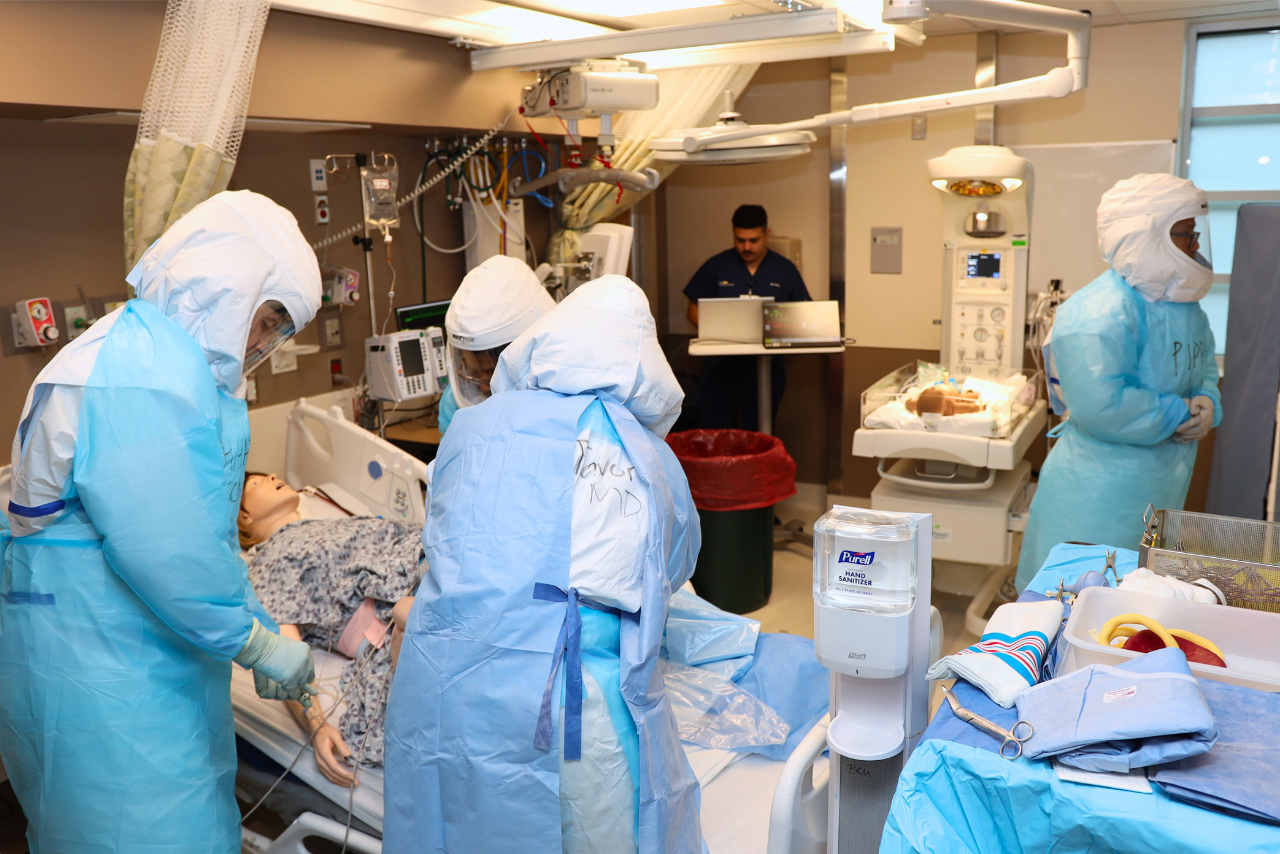
Credit: MedStar Washington Hospital Center
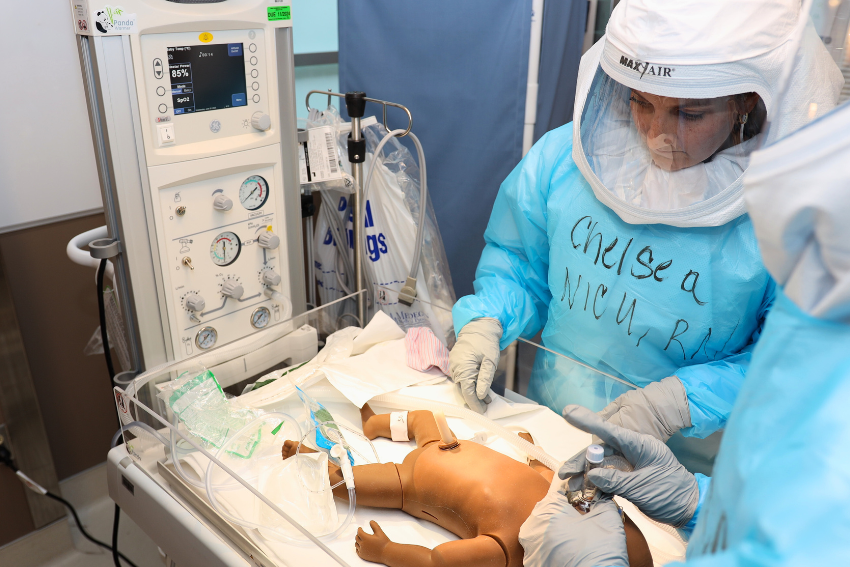
Credit: MedStar Washington Hospital Center
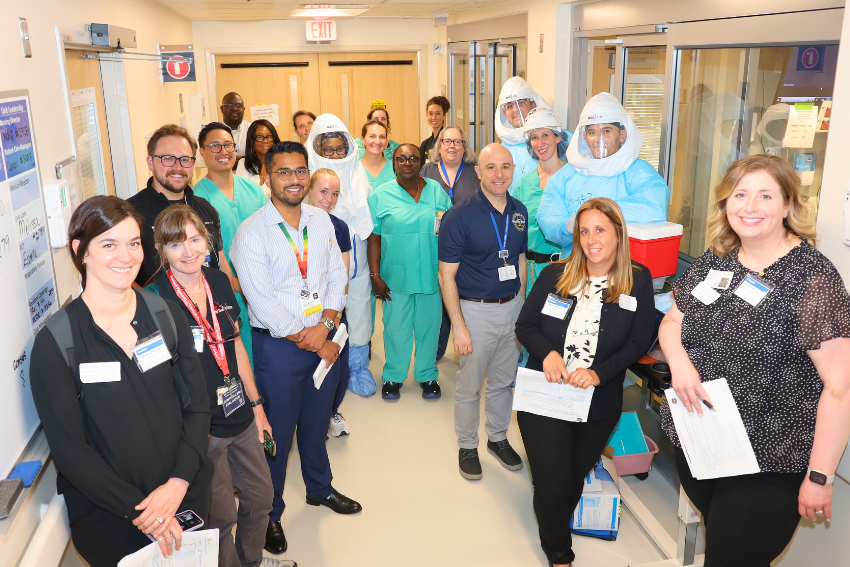
Credit: MedStar Washington Hospital Center
“The PBCU and Tranquil Passport exercise reflect our shared commitment to strengthening national health security and resilience through innovation and collaboration,” said Shane Kappler, MD, medical director of the Biocontainment Unit at MedStar Washington Hospital Center. “We are proud to help lead this effort alongside our partners, including fellow national healthcare leaders. In a world where health security threats are ever-present, the PBCU is a vital part of our national preparedness strategy, ensuring we are ready now and for the challenges ahead.”
Read the MedStar press release.
Region 3: Children’s National Hospital (Washington, D.C.)
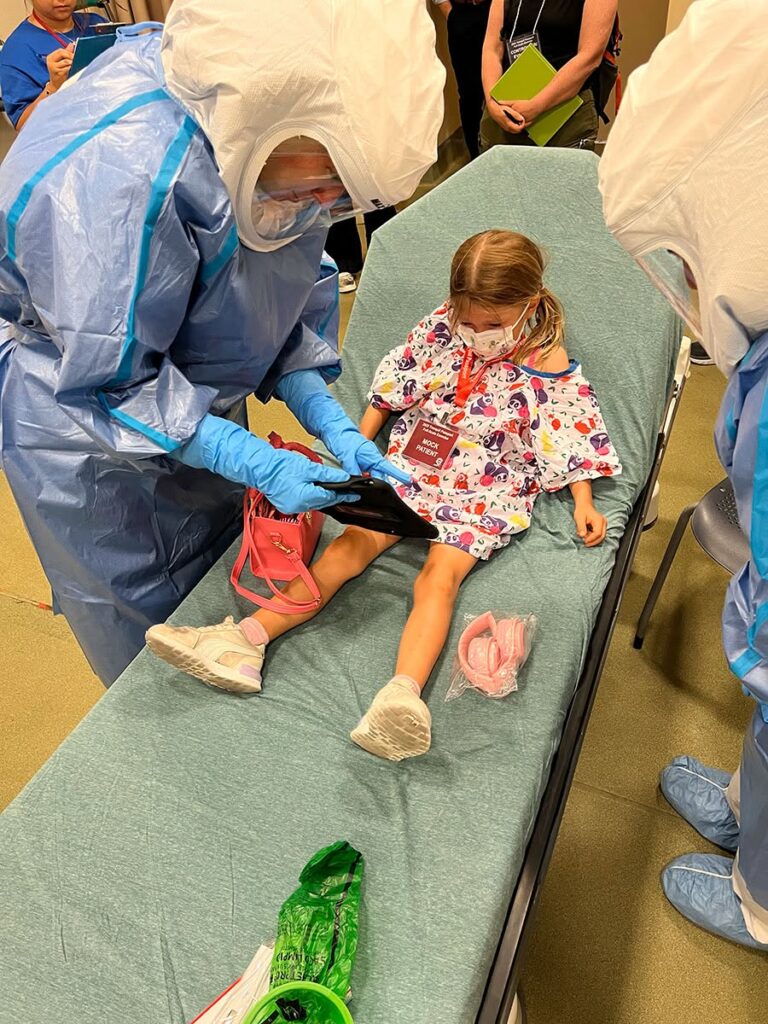
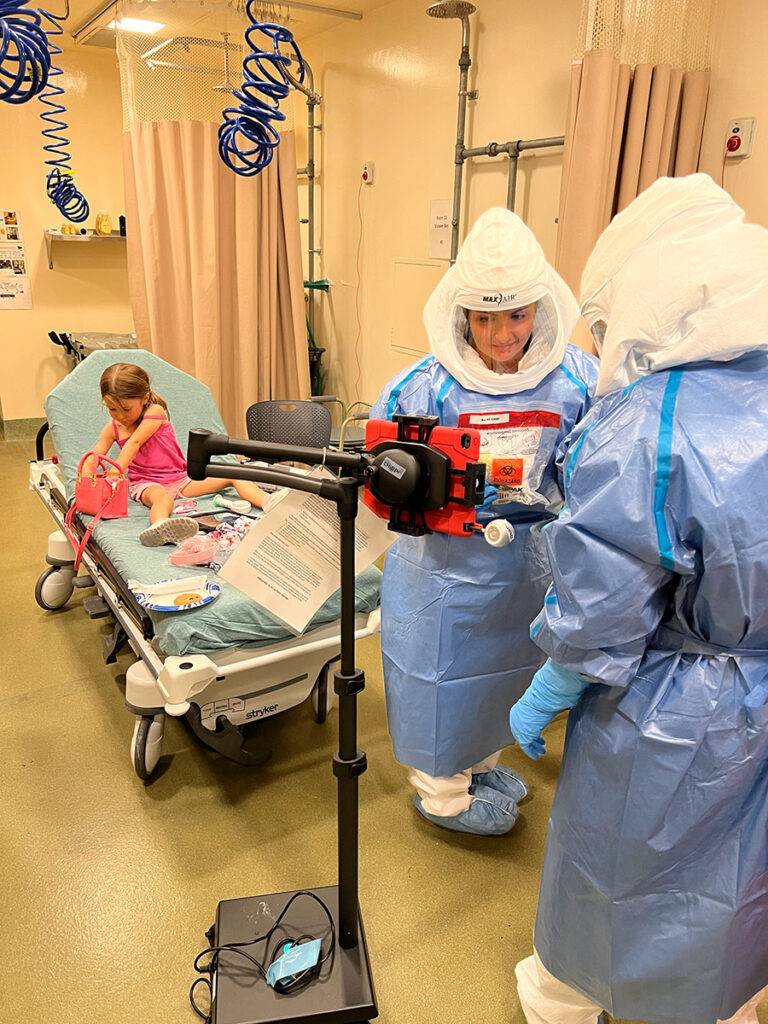
Children’s National Hospital (CHN) participated in the full-scale high-risk pathogen drill as the pediatric partner for the RESPTC with MedStar Washington Hospital Center. A real pediatric patient volunteer was transported internationally by air in the Portable Biocontainment Unit to Dulles International Airport. The patient was then transported by Metropolitan Washington Airport Authority EMS from Dulles to CNH, allowing their BCU team to exercise critical protocols, including transport, patient arrival, assessment, lab specimen packaging, and Child Life support.
“This exercise gave our team a critical opportunity to practice in real time how we would safely care for a child with a high-risk infectious disease. This allowed our staff to experience different aspects of the process from notifications, arrival logistics, and management through the earliest stages of treatment,” said Savannah Hestmark, RN, Children’s High-Risk Pathogen Team Lead of Operations and Training. “Drills like this help ensure our staff are ready to respond effectively, keeping our healthcare workers, patients, families, and community as safe and prepared as possible.”
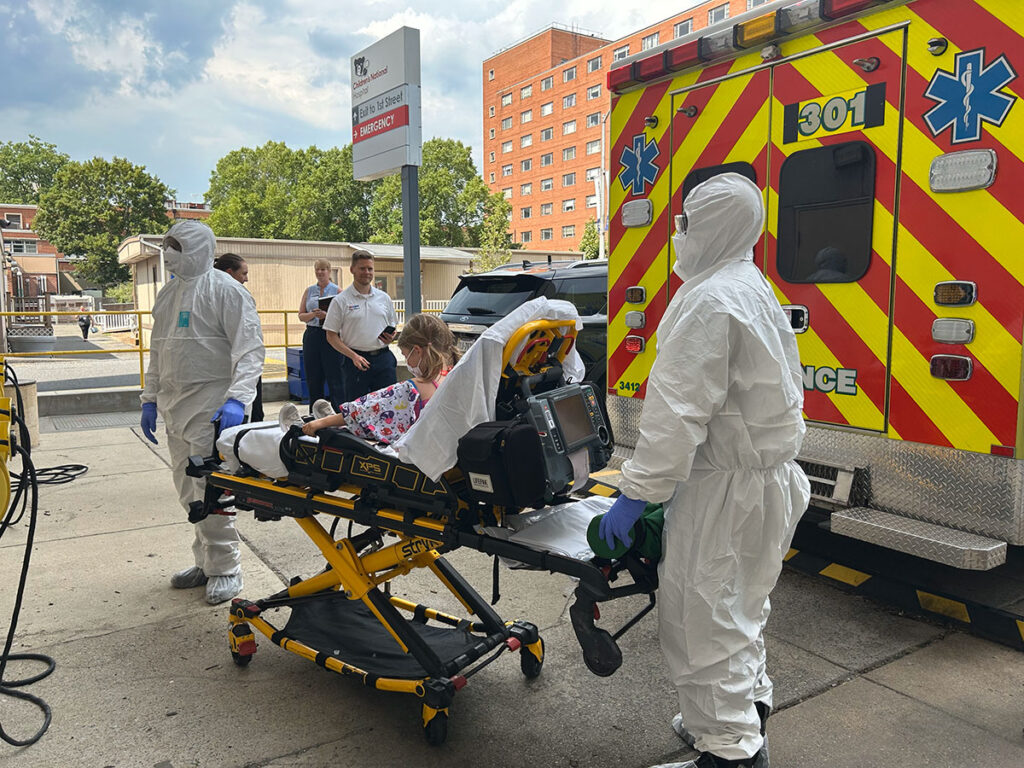
Credit: Children’s National Hospital
Credit: Children’s National Hospital
Credit: Children’s National Hospital
Region 3: Johns Hopkins Hospital (Baltimore, MD)
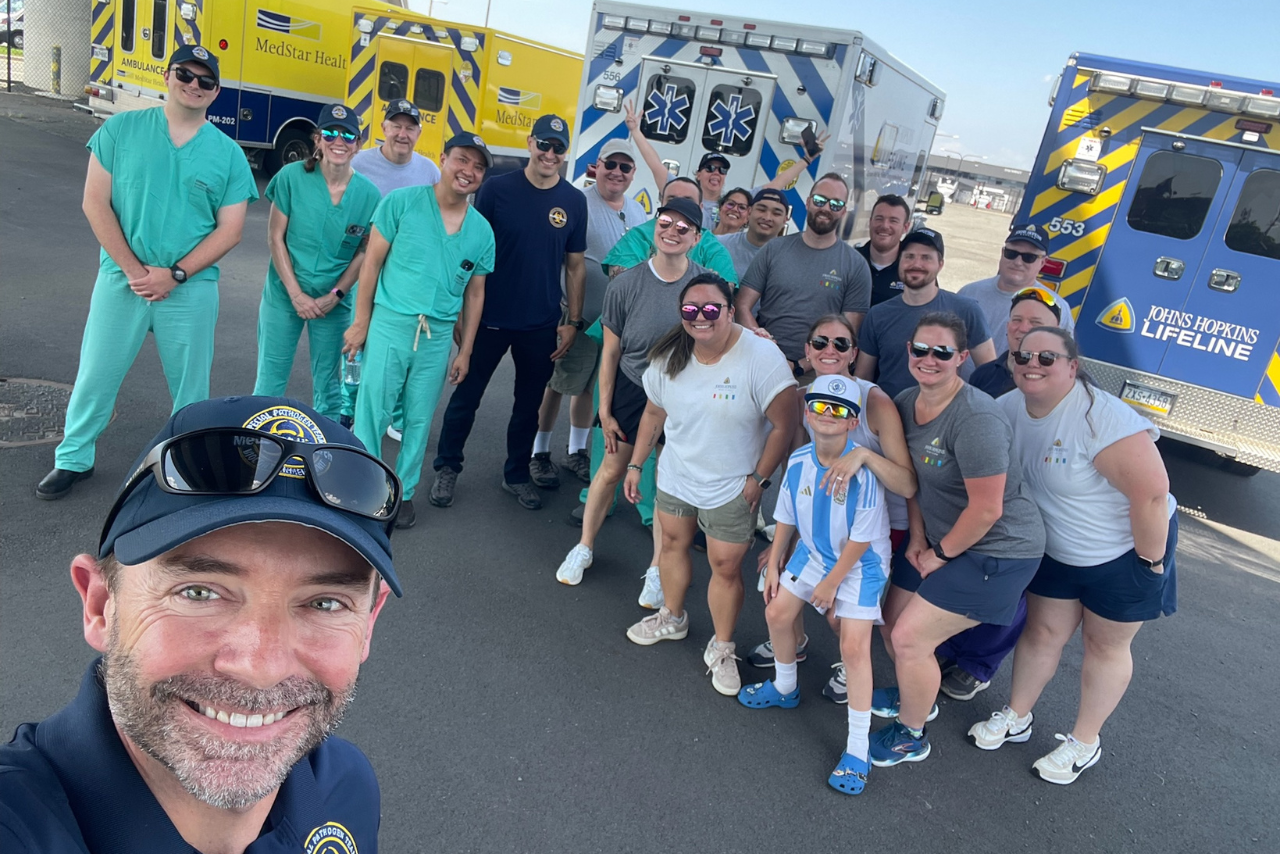
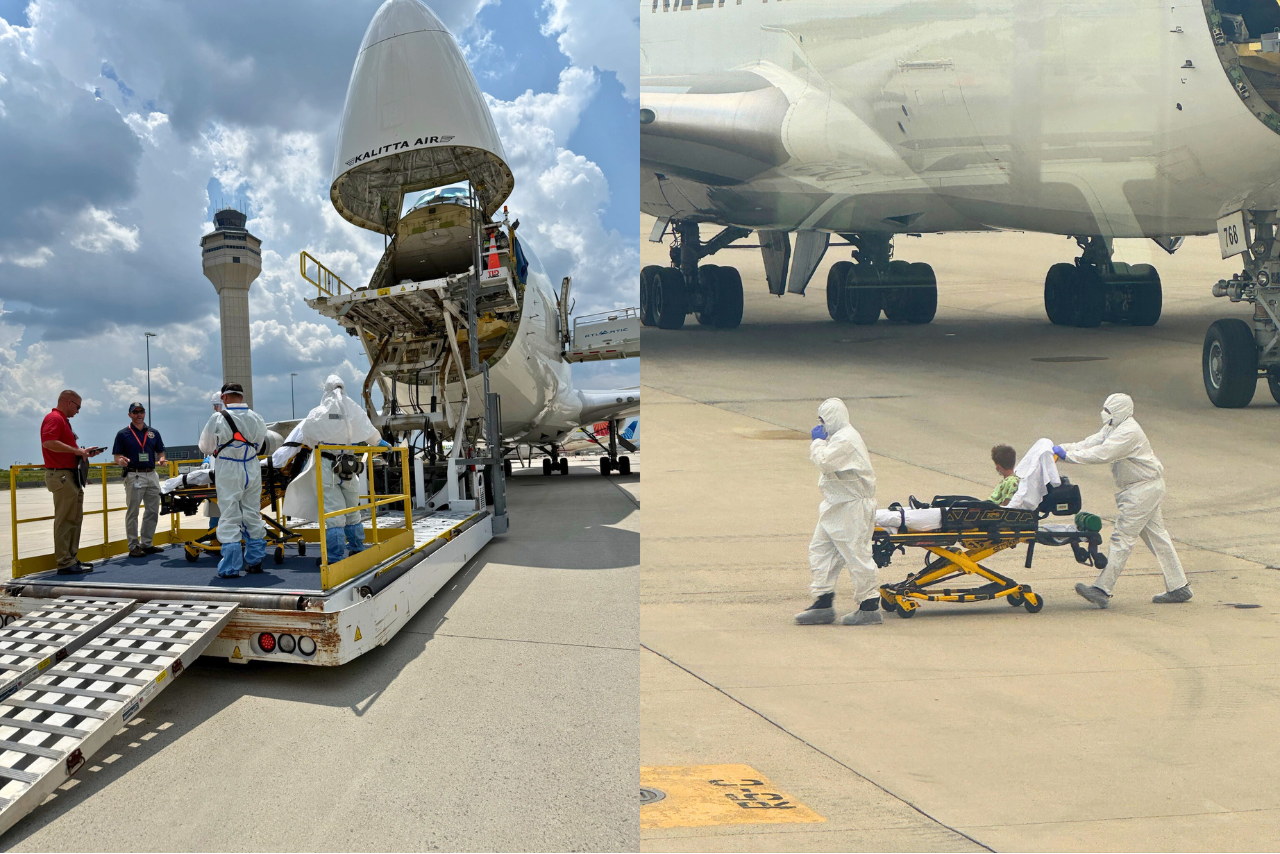
Also on June 25, the Johns Hopkins Biocontainment Unit (JH BCU) received two simulated patients—a mother and son—both exposed to a fictional high-consequence infectious disease. After arriving at Dulles International Airport in Virginia, the patients were handed off from the clinical team in the portable Biocontainment Unit (PBCU) to two receiving Lifeline Special Operations Response Teams (SORT), one pediatric-focused team, and one adult-focused team.
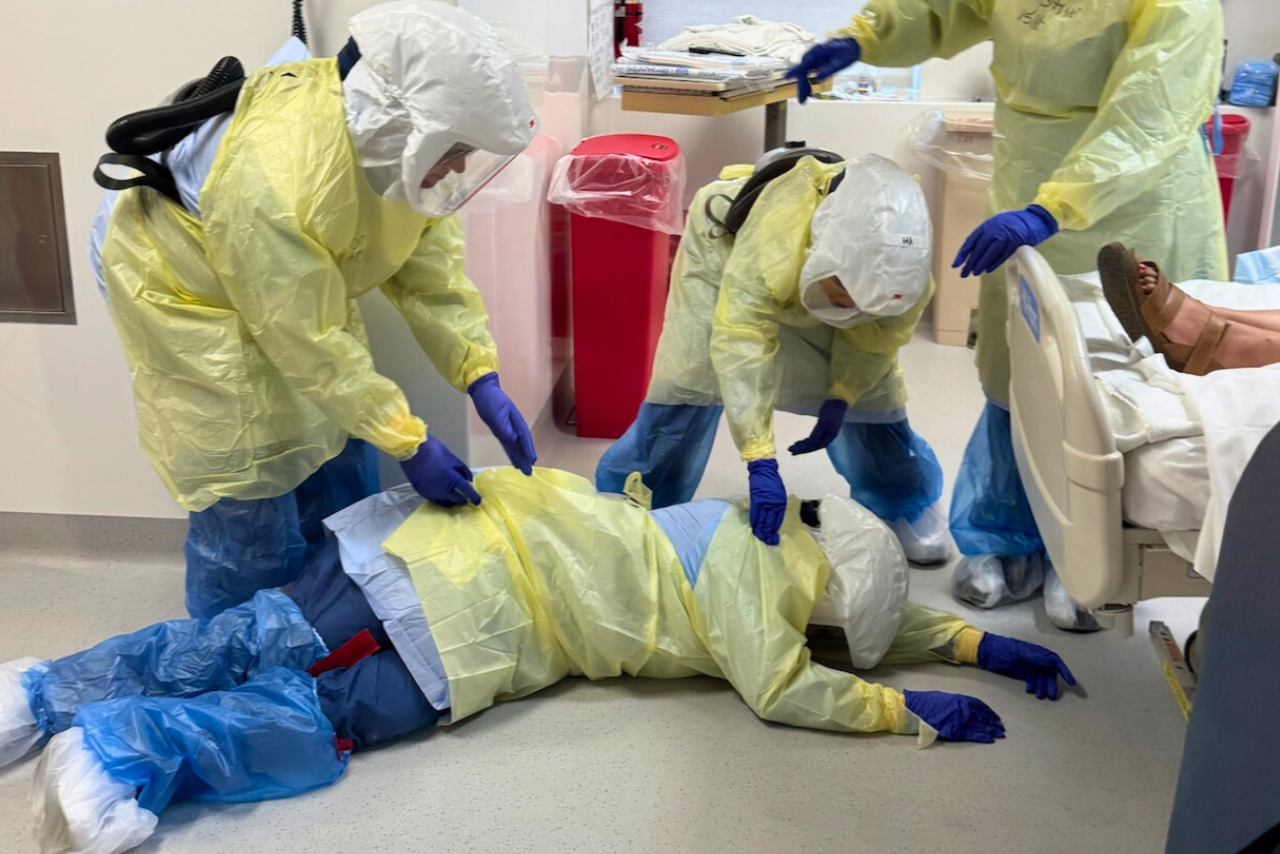
The next day, the JH BCU team exercised secure patient handoff from SORT to internal transport teams, simultaneous pediatric-adult admission and co-location, and mixed team nursing staff models. In addition, the simulation—named “MAMA: Multiple Admission Messy Adventure” —included a “provider down” scenario—an emergency wherein a healthcare worker becomes incapacitated while working in high-level PPE. This allowed the team to practice rapid extraction, doffing procedures of compromised PPE, a gross contamination event, and coordinated emergency medical response—all while maintaining infection control integrity and ongoing patient care.
Credit: Johns Hopkins
Credit: Johns Hopkins
Credit: Johns Hopkins
“Tranquil Passport and MAMA gave us an opportunity to problem-solve together through an immersive and realistic scenario in which we care for a family unit in the JH BCU.” said Jade Flinn, RN, Principal Investigator and Director of Operations for the Johns Hopkins Special Pathogens Center. “The SORT and JH BCU team demonstrated determination, adaptability, and true readiness throughout the exercise. They proved they are more than capable of providing high-quality care for patients while maintaining safety for self, each other, and the public.”
Region 2: NYC Health + Hospitals/Bellevue (New York, NY)
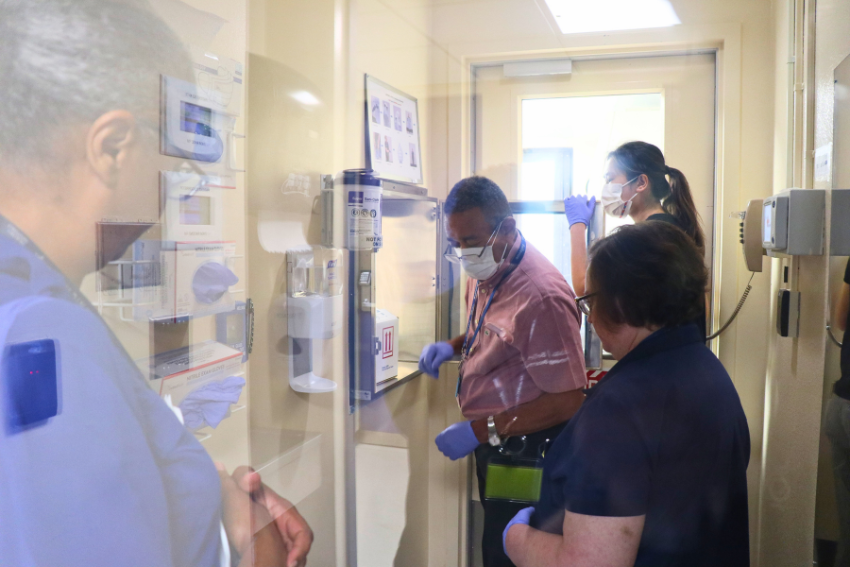
On June 26, NYC Health + Hospitals/Bellevue received fictional adult and pediatric HCID patients in partnership with the NYC Department of Health and Mental Hygiene, NYC Emergency Management, New York State Department of Health, and FDNY EMS. The exercise tested the hospital’s full end-to-end response—from secure patient transport and hospital admission to advanced care in Bellevue’s Special Pathogen Unit.
Key capabilities validated during the exercise included coordination with external partners during transfer, the use of Bellevue’s new communication system to enable seamless interactions between clinicians in PPE and the broader care team, and protocols for family visitation.
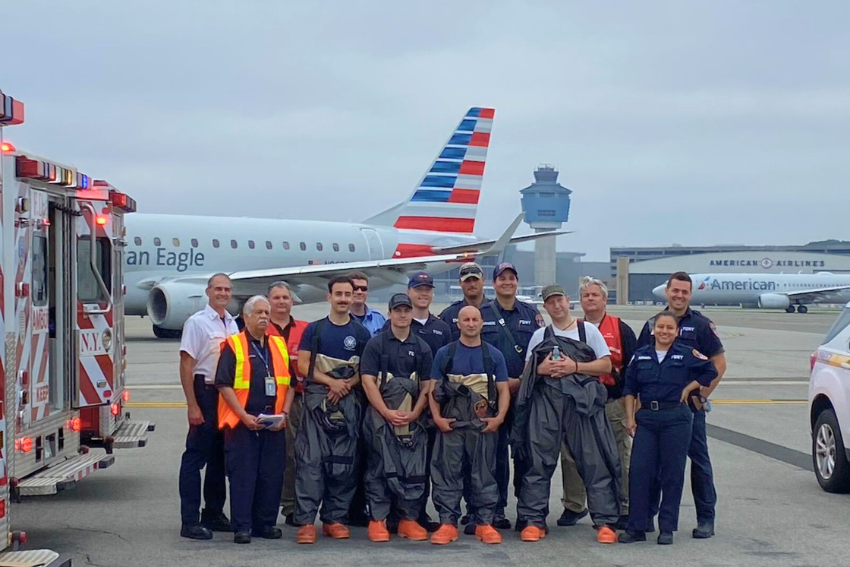
FDNY EMS; Credit: Darrell Ruby

Credit: NYC Health + Hospitals / Bellevue
Credit: NYC Health + Hospitals / Bellevue
“Bellevue has long been at the forefront of preparing for and responding to special pathogen threats. Through the Tranquil Passport exercise, we are reinforcing our leadership role in advancing clinical readiness, innovating in biocontainment care, and strengthening healthcare and public health coordination across agencies,” said Vikramjit Mukherjee, MD, Director, Special Pathogens Program at NYC Health + Hospitals/Bellevue. “As the Regional Emerging Special Pathogen Treatment Center for HHS Region 2, we are committed to ensuring that our systems are not only ready—but setting the standard—for safe, effective care during high-consequence infectious disease events.”
Read the NYC Health + Hospitals/Bellevue press release.
Region 4: UNC Medical Center (Chapel Hill, NC)
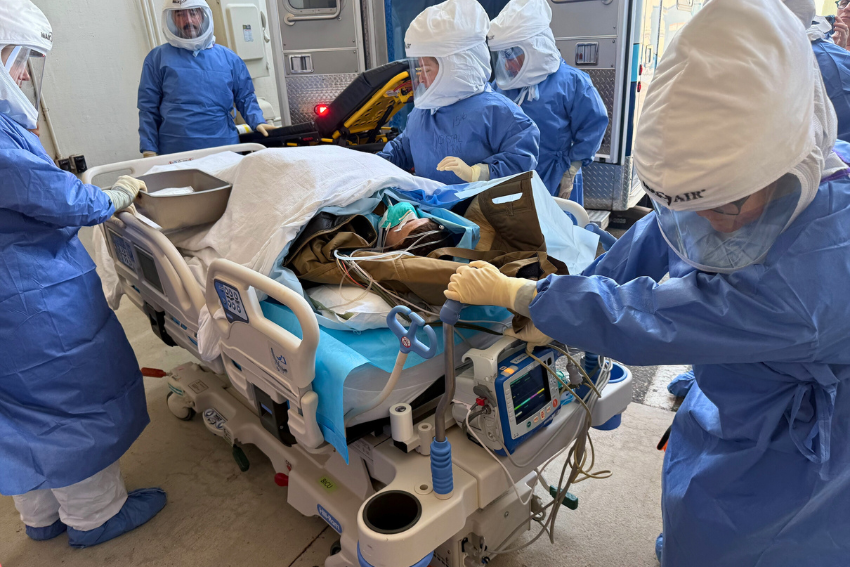
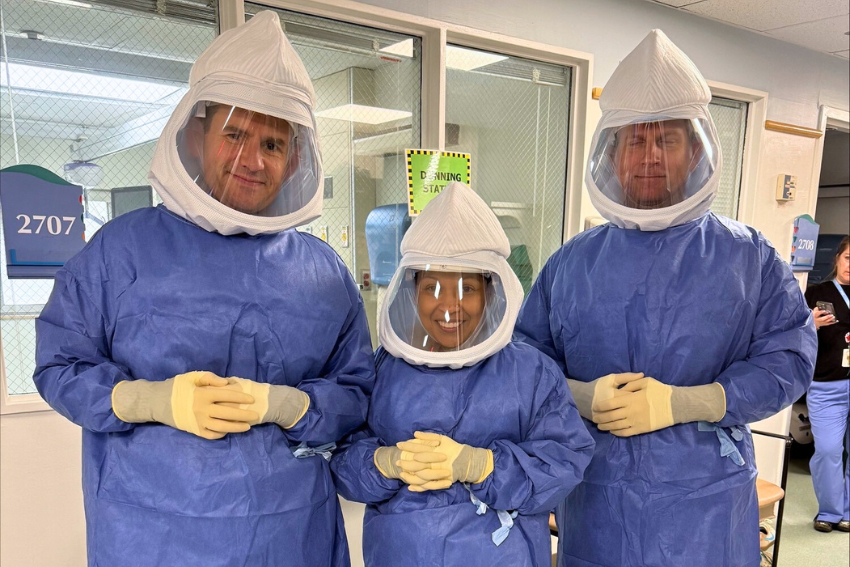
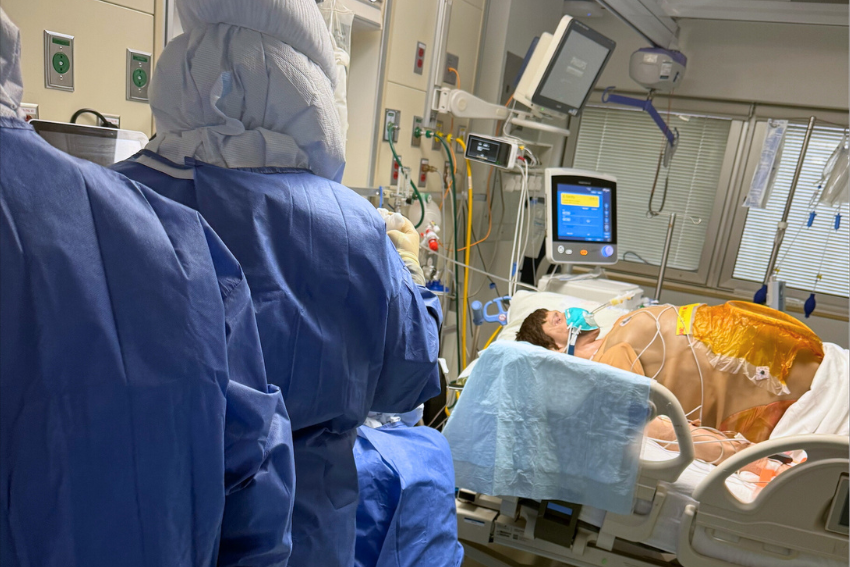
The same day, the UNC Medical Center Special Pathogens Response Center (SPARC) team tested care for a high-consequence infectious disease (HCID) patient using a mannequin, focusing on interdisciplinary coordination among pediatric specialists, infectious disease experts, and transport teams. The simulation also included a mock surgical procedure within the biocontainment unit, allowing the team to exercise infection control, communication, and clinical workflows required to safely perform emergency interventions in a high-risk environment.
“Tranquil Passport gave us a unique opportunity to push the boundaries of our preparedness by simulating not just routine biocontainment care, but also a surgical procedure within the unit,” said Brooke Brewer, BSN, RN, MS, CIC, Infection Prevention Program Manager at SPARC. “It served as a critical test of our infection prevention protocols, interdisciplinary coordination and teamwork, and our ability to deliver complex medical and surgical care while maintaining the highest standards of teammate and patient safety.”
Credit: UNC Health
Credit: UNC Health
Credit: UNC Health
Region 4: Emory University Hospital (Atlanta, GA)
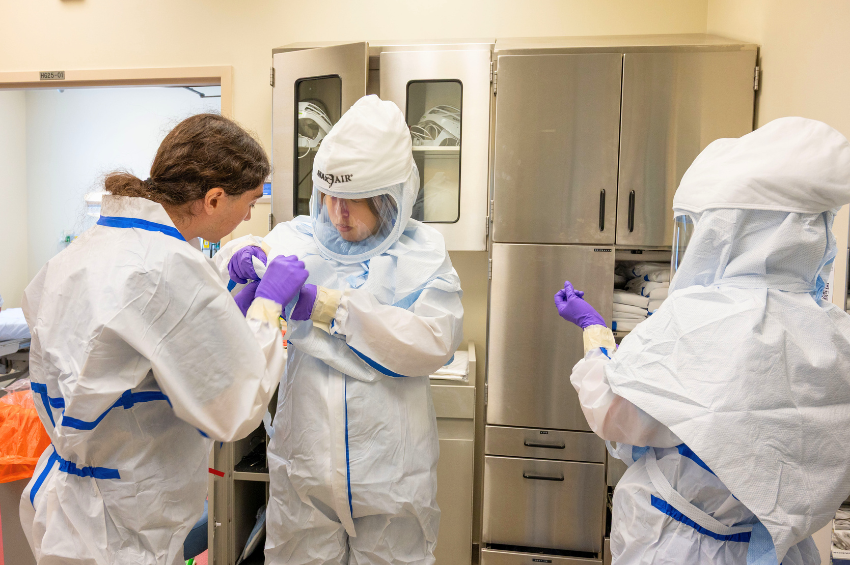
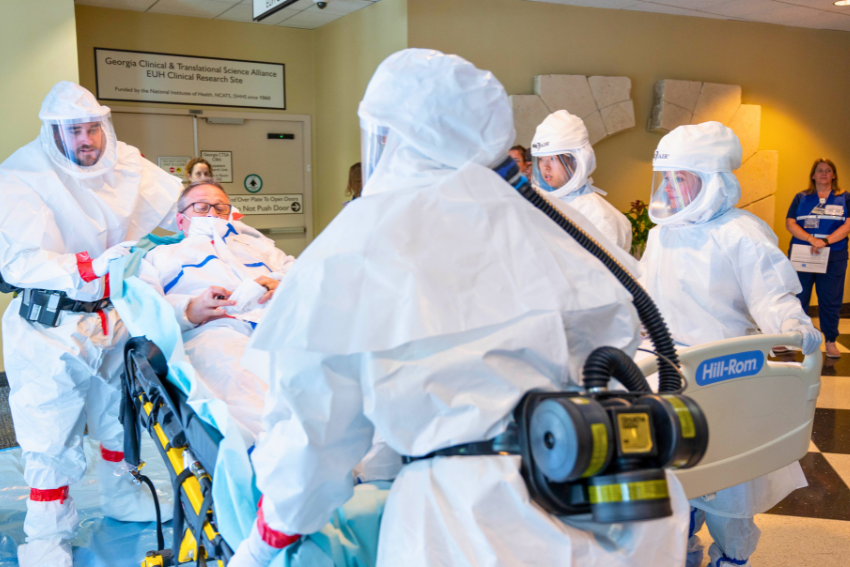
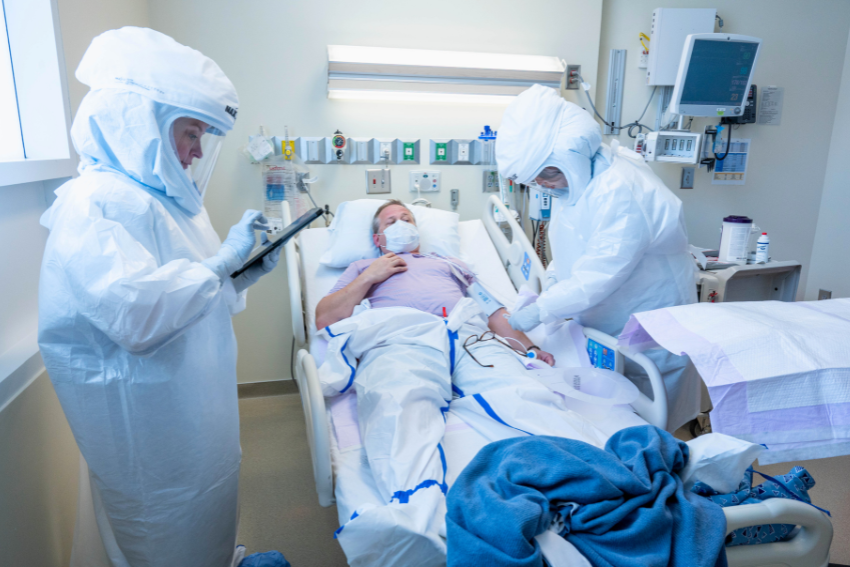
On June 27, the final day of the Tranquil Passport exercise, two simulated patients—an adult and a child—were transported to Atlanta, Georgia, via ground using the new Portable Biocontainment Unit (PBCU). The PBCU—capable of transporting up to 10 HCID patients simultaneously—arrived in Atlanta as part of a complex, multi-jurisdictional transport scenario. The adult patient actor, simulating an individual exposed to a highly infectious disease, was transferred via Grady EMS to Emory University Hospital’s Serious Communicable Diseases Unit (SCDU). The Emory team conducted a full-scale admission exercise, practicing high-level infection prevention procedures, care team coordination, and decontamination processes in their high-level isolation unit.
“Our Serious Communicable Diseases Unit team trains regularly to care for patients with high-consequence infectious diseases,” said Sharon Vanairsdale Carrasco, DNP, APRN, CEN, director of the Regional Emerging Special Pathogens Treatment Center at Emory University. “We believe the PBCU will add an additional layer of protection and safety for patients and care teams when transporting patients with suspected or confirmed highly infectious diseases to regional treatment centers like ours.”
Credit: Emory University
Credit: Emory University
Credit: Emory University
Region 4: Children’s Healthcare of Atlanta (Atlanta, GA)
At the same time, a pediatric patient actor with a simulated highly infectious disease was transferred by Grady EMS to Children’s Arthur M. Blank Hospital, the pediatric partner site of the RESPTC at Emory University. The Special Care Unit (SCU) team exercised safe patient handoff, biocontainment admission, and pediatric-specific infectious disease care—including emotional support strategies and family-centered communication. Children’s received a pediatric patient through a secure handoff from Emory, practicing every phase of high-consequence pediatric care—from PBCU transfer to care in a specialized isolation unit.
“Our Special Care Unit within Arthur M. Blank Hospital was specifically designed to ensure the safety of ill children and the dedicated health care team providing around-the-clock care,” says Andi Shane, MD, division chief of pediatric infectious diseases at Children’s. “We are excited to participate in this international exercise and ensure our specially trained staff members are prepared to care for patients with highly contagious infectious diseases should an incident arise.”
Read the Children’s press release.
Building a Safer, Smarter National Response
By moving simulated patients across jurisdictions and into the nation’s highest-level biocontainment facilities, Tranquil Passport showcased the strength and coordination of the National Special Pathogen System (NSPS). The exercise also marked the first test of ASPR’s new Portable Biocontainment Unit (PBCU)—a rapidly deployable asset designed to support the safe transport and care of patients with high-consequence infectious diseases.
At the forefront of this response, the Regional Emerging Special Pathogen Treatment Centers (RESPTCs) demonstrated their critical role in national health security—operating with speed, precision, and the highest standards of safety. Together, the RESPTCs, NETEC, and ASPR are reinforcing national preparedness and expanding the nation’s capacity to respond to biological threats—both known and emerging.

Get Expert Assistance
Ask a NETEC expert a question or request free services for your facility.
Find Resources
Explore special pathogen resources created and curated by NETEC experts.