Strengthening Global Health Security: NSPS RESPTCs Share Expertise at GHS2026
Share this article
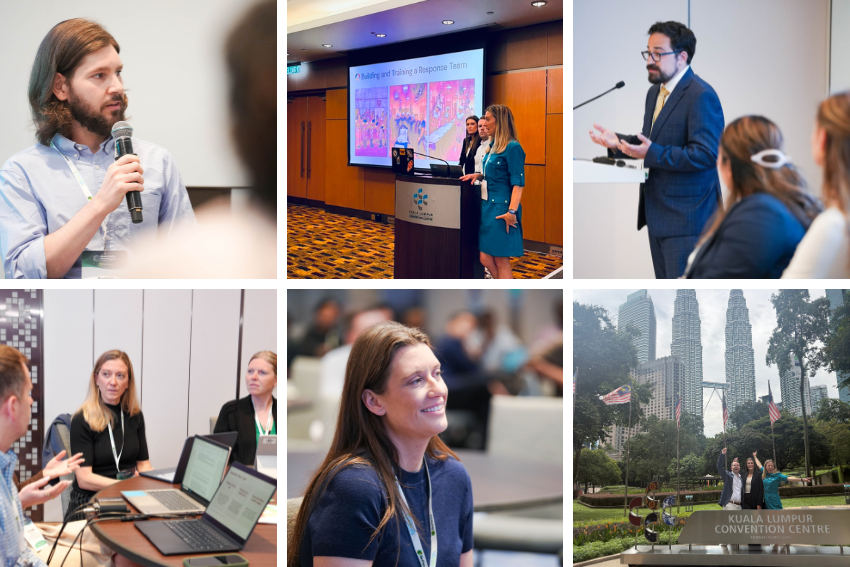
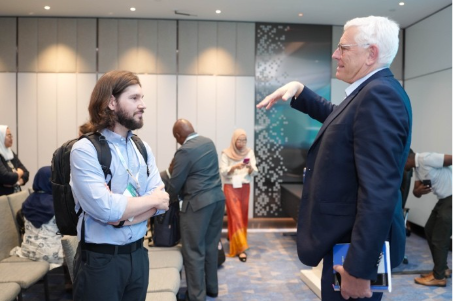
Global collaboration is essential to strengthening preparedness for high-consequence infectious diseases (HCIDs). The Global Health Security Conference (GHS2026) held June 9-12, 2026, in Kuala Lumpur, Malaysia, provided an opportunity for healthcare, public health, emergency management, academia, and government leaders to exchange ideas, share lessons learned, and identify practical strategies for improving readiness around the world.
GHS2026 brought together more than 1,240 delegates from 88 countries for four days of learning, collaboration, and innovation. The conference showcased emerging evidence, practical solutions, and new approaches to preventing, detecting, and responding to future health threats while fostering meaningful partnerships across the global health security community.
This year, experts from three National Special Pathogen System (NSPS) Level 1 Regional Emerging Special Pathogen Treatment Centers (RESPTCs)—Emory University (HHS Region 4), the Johns Hopkins Hospital (HHS Region 3), and Children’s National Hospital (HHS Region 3)—shared their expertise with an international audience. Through presentations, panel discussions, and interactive workshops, they highlighted innovative approaches to training, operational readiness, and pediatric preparedness while demonstrating the important role the NSPS network plays in strengthening healthcare preparedness.
Building Readiness at Points of Entry
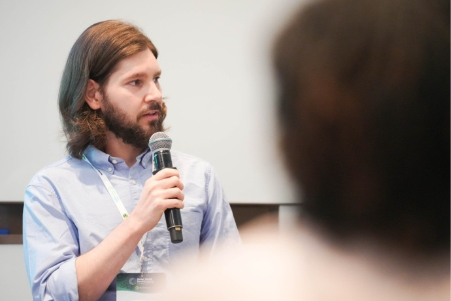
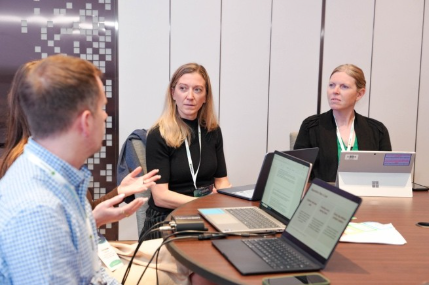
Representing Emory University’s Serious Communicable Diseases Program, Andrew Chapman, MS, RN, Nurse Lead, Serious Communicable Diseases Unit, participated in a panel discussion focused on points of entry preparedness and response.
“Preparedness at Points of Entry, From Borders to Facilities” brought together international public health, healthcare, and preparedness professionals to discuss operational approaches for identifying, isolating, and managing potentially infectious travelers at airports, seaports, land border crossings, and frontline healthcare points of entry.
Chapman presented on the standardization of frontline high-level personal protective equipment (PPE) training and the critical role of operational readiness in preventing and responding to HCIDs. Drawing on Emory’s experience developing competency-based PPE training programs, he highlighted practical approaches to preparing frontline healthcare personnel for special pathogen events.
Discussion centered on common challenges raised by international partners regarding PPE selection, training, and maintaining staff competency over time. A consistent message throughout the session was that staff training is the foundation of preparedness and the first—and most important—control measure in an effective points of entry response program.
The discussion reinforced several themes that resonated across the conference:
- Competency-based education is essential for maintaining readiness.
- Routine exercises help sustain operational preparedness.
- Collaboration among healthcare systems, public health agencies, and border health authorities strengthens response capabilities.
- Practical, scalable training models are needed across a variety of healthcare and public health settings.
Participation in GHS2026 also provided an opportunity for Emory to exchange experiences with international partners working to strengthen preparedness for emerging infectious diseases worldwide.
Defining Readiness Through Space, Stuff, Staff, and Systems
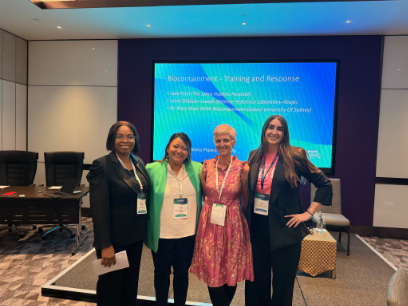
The Johns Hopkins Special Pathogen Center presented a full panel, “Readiness Defined: Approaches to Special Pathogen Preparedness & Response,” featuring:
- Jade Flinn, MSN, RN, Principal Investigator and Director of Operations
- Carrie Billman, MHPE, RN, CIC, Director of Education and Infection Prevention and Control Lead
- Chris Sulmonte, MHA, Administrative Director
Using the framework of Space, Staff, and Systems, the team explored multiple dimensions of operational readiness.
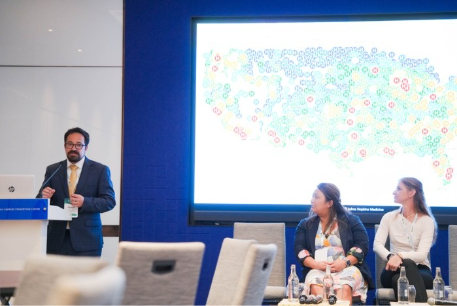
Flinn presented findings from data collected between July 2025 and June 2026 leveraging the updated Johns Hopkins Activation Readiness Checklist and Scale which identified two significant barriers to rapid Biocontainment Unit (BCU) activation: aging purpose-built infrastructure and post-pandemic fluctuations in supply chain processes.
Billman discussed how the Johns Hopkins BCU built a strong culture of staff safety through the development and validation of infection prevention and control professionals serving as Trained Observers, reinforcing the importance of observation, coaching, and competency validation during PPE use.
Sulmonte presented results from a pilot risk assessment tool—the Johns Hopkins Corry Score—designed to assess a hospital’s likelihood of encountering HCIDs based on four weighted system factors:
- Community makeup
- International ports of entry
- Occupational risk
- Access to healthcare
Flinn also joined international colleagues, Mary Wyer, Associate Professor of Practice, New South Wales Biocontainment Centre (Australia), and Juliet Joseph, Biosafety and Biosecurity Manager, Ministry of Defence Health Implementation Program (Nigeria), to discuss lessons learned from the 2025 ASPR “Tranquil Passport” exercise and compare approaches to biocontainment training of clinicians and laboratorians.
Together, these presentations and panels emphasized that readiness extends beyond specialized facilities and equipment. Sustainable preparedness depends on continued investments in infrastructure, workforce development, data-driven planning, and global collaboration.


Ensuring Pediatric Patients Are Part of Preparedness Planning
Children have unique needs during high-consequence infectious disease events, yet pediatric considerations are often underrepresented in preparedness discussions.
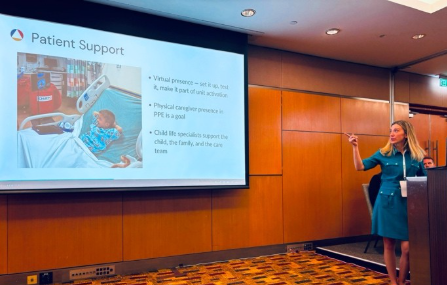
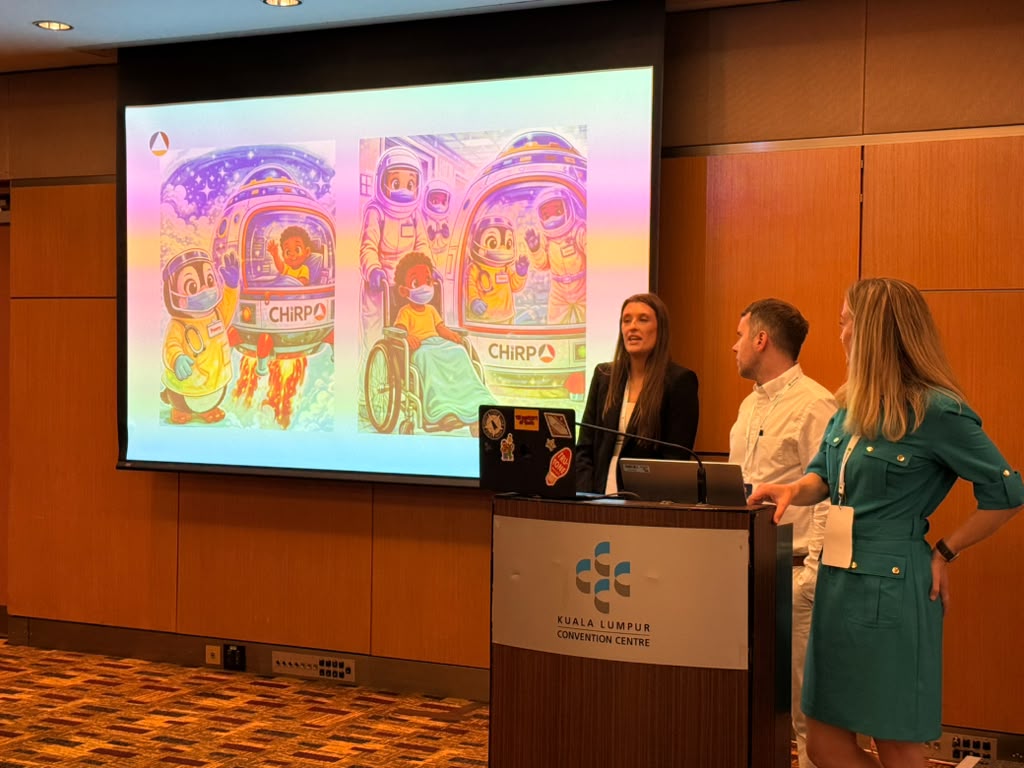
At GHS2026, Children’s National Hospital helped change that by delivering the conference’s only pediatric-focused programming in the panel session “The Missing Population,” featuring:
- Tress Goodwin, MD, Regional Emerging Special Pathogen Treatment Center–Pediatrics Director; Associate Professor of Emergency Medicine and Pediatrics, George Washington University School of Medicine and Health Sciences
- Savannah Hestmark, RN, High-Risk Pathogen Team Lead of Operations and Training
- Sean Mathis, CPNP, Pediatric Emergency Medicine Nurse Practitioner
The panel explored topics including:
- PPE adaptations for pediatric patients
- Caregiver presence and communication in biocontainment
- Challenges associated with prolonged isolation
- Technology gaps in pediatric monitoring and care
The session drew an international audience of infection prevention, public health, and HCID professionals from countries including Nigeria, Australia, Singapore, and Canada.
The team’s companion workshop, “Should the Parents Be There?”, challenged participants to consider one of pediatric preparedness’s most complex questions: Should caregivers remain with children receiving care in a biocontainment unit?
Over two hours, participants worked through realistic scenarios, voted on policy decisions many organizations have yet to address, and left with practical frameworks they could adapt within their own institutions.
The sessions reinforced an important message: pediatric patients cannot simply be incorporated into adult preparedness plans—they require thoughtful, intentional planning that reflects their unique clinical and psychosocial needs.
Advancing the Mission of the NSPS
The participation of Emory University, the Johns Hopkins Hospital, and Children’s National Hospital at GHS2026 reflects the broader mission of the NSPS and the critical role of the RESPTCs.
As Level 1 facilities within the NSPS, RESPTCs serve as regional resource hubs with the specialized capabilities needed to safely evaluate and care for patients with suspected or confirmed special pathogens. In addition to providing highly specialized clinical care, RESPTCs support healthcare facilities throughout their regions through consultation, training, education, exercises, and operational expertise. Unlike other facilities in the network, Level 1 RESPTCs are equipped to care for patients throughout the duration of their illness while serving as regional leaders in preparedness and response.
By sharing operational lessons, innovative training approaches, and real-world experience with colleagues from around the globe, these RESPTCs demonstrated the value of collaboration in advancing health security. Their participation at GHS2026 not only highlighted the expertise within the NSPS network but also reinforced a shared commitment to strengthening preparedness for the next emerging infectious disease threat—wherever it may occur.
About the Experts
Carrie Billman, MHPE, RN, CIC, is the Director of Education and Infection Prevention for the Johns Hopkins Special Pathogen Center, Bio-Containment Unit, and a senior infection control epidemiologist for the Department of Hospital Epidemiology and Infection Control at The Johns Hopkins Health System (JHHS). In her role at JHHS, Carrie leads infection prevention and external education activities for the JHH Biocontainment Unit (BCU), including training and education for trained observers and BCU clinical staff, policy and protocol development, and serves as a lead infection preventionist during BCU activations.
Carrie is a trained pediatric nurse with 20 years of experience with acute and lifesaving burn care and is current faculty for the Johns Hopkins University master’s level Patient safety course in infection prevention.
Andrew Chapman is a Critical Care RN with a MS in Biomedical Research, currently specializing in special pathogen preparedness and clinical training at Emory Healthcare. His work focuses on high-consequence infectious disease readiness, including PPE workflow optimization, frontline team competency, and emergency department response strategies. Andrew contributes to interdisciplinary research initiatives aimed at improving the usability, safety, and scalability of biocontainment protocols in real-world clinical environments.
Jade Flinn, MSN, RN, CCRN, CNRN, is the Principal Investigator for the Johns Hopkins Regional Emerging Special Pathogens Treatment Center program, Biocontainment Unit (BCU), and Director of Operations for the Johns Hopkins Special Pathogens Center. Flinn graduated from the Johns Hopkins University School of Nursing and Notre Dame of Maryland University and is trained as a neurocritical care nurse, critical care transport nurse, and nurse education leader. Her role’s main goal is to maintain the BCU’s overall activation readiness for the safe care of patients infected with high consequence pathogens. Her work includes the maintenance and continued growth of the BCU’s physical unit infrastructure readiness, rostered personnel training in enhanced PPE ensembles, quarterly exercise development and execution, special pathogen waste management planning, and the development of systemic special pathogens preparedness resources like Standard Operating Procedures (SOPs) and Just in Time (JIT) Training modules.
Flinn has been published in multiple peer-reviewed journals on the BCU team’s activities in the field of special pathogens preparedness and response including the effectiveness of steam sterilizers for infectious waste inactivation and the evaluation of the JH BCU’s activation readiness capacities.
Tress Goodwin, MD, serves as the Pediatrics Director at Children’s National Hospital. During the COVID-19 pandemic, she served as the Assistant Incident Commander for the Emergency Department. Following residency training, Dr. Goodwin was commissioned into the US Navy Medical Corp where she served for 5 years including a combat deployment to Afghanistan in 2015, serving as a trauma team lead at the Role 3 NATO Multinational Medical Unit. In addition to both pediatric and adult ED shifts, Dr. Goodwin serves on the Pediatric Pandemic Network and serves as the pediatric lead for MedStar as a Regional Emerging Special Pathogen Treatment Center. Dr. Goodwin is Associate Professor of Emergency Medicine and Pediatrics, George Washington University School of Medicine and Health Sciences.
Savannah Hestmark, RN, serves as a Nursing Manager in the Emergency Medicine and Trauma Center at Children’s National Hospital, where she support critical care delivery and operational efficiency. Hestmark also serves as Lead for Operations, Education, and Training for the Children’s High-Risk Pathogen Team (CHiRP), partnering across disciplines to strengthen preparedness and response initiatives. Her work focuses on public health, leadership, and program development, advancing the hospital’s mission to provide exceptional pediatric care. In addition, she co-founded Children’s National Hospital’s Disaster Response Team, leading efforts to train staff in decontamination procedures and mass casualty response.
Sean Mathis, CPNP, is a Pediatric Emergency Medicine Nurse Practitioner at Children’s National Hospital, where he provides high-acuity emergency care and serves as Interim Co-Lead APP for the Emergency Department. Mathis also serve as Clinical Programs & Informatics Lead for the Children’s High Risk Pathogen (CHiRP) Team, leading educational initiatives and advancing clinical informatics to strengthen preparedness for high-consequence infectious diseases.
Chris Sulmonte, MHA, Christopher Sulmonte is the Administrative Director of Biocontainment at the Johns Hopkins Special Pathogen Center. He is also the Program Director of the Region III Special Pathogen Training and Education Program. Chris has coordinated the JH BCU operations over the last six years. He also led the development and rollout of the Special Pathogen Training and Education Program which provides free, onsite, hands-on training to help prepare frontline facilities throughout HHS Region III for special pathogen response. In addition, Chris acts as both the co-lead for the Regional RESPTC National Workgroup and a Technical Lead of Frontline Hospital Special Pathogen Assessment within NETEC. Chris has a bachelor’s of science in Chemistry from Boston College and a Master of Health Administration from the Johns Hopkins University Bloomberg School of Public Health.