Ready for Anything: Emergency Nurses’ Role in Special Pathogen Preparedness
Share this article
Emergency nurses routinely care for patients before the cause of their symptoms is clear. They make decisions with the available information at a given point in time, often under significant time pressure, while determining what needs immediate attention and what should happen next.
Special pathogen preparedness requires them to consider not only what is most likely, but what is possible—including infections rarely encountered in a U.S. emergency department.
In recognition of Emergency Nurses Week, NETEC spoke with two emergency nurses who bring their frontline experience to special pathogen preparedness and serve as members of NETEC workgroups: Ryan Hodges, MSN, RN, CEN, CPEN, PHN, Clinical Nurse IV, Emergency Department, Cedars-Sinai Medical Center, and Jennifer M. Lirette, MSN, RNC-OB, C-EFM, NC-BC, Clinical Educator II-SPECTRE, The University of Texas Medical Branch (UTMB).
Both Cedars-Sinai and UTMB are Level 1 Regional Emerging Special Pathogen Treatment Centers (RESPTCs), regional hubs that provide specialized care and support special pathogen preparedness and response across their regions.
Their advice for fellow emergency nurses is practical: You don’t have to be a special pathogens expert, but you do need to know what to look for, how to protect yourself and others, your facility’s plan, and who to call when you need help.
Identify. Isolate. Inform.
For emergency nurses, special pathogen preparedness starts with a familiar framework: Identify, Isolate, Inform.
Identify: Screen patients for relevant signs and symptoms, travel, exposures, and other epidemiologic risk factors that could indicate a special pathogen.
Isolate: Take immediate steps to separate the patient from others and reduce potential exposures while determining the safest location and precautions for continued care. Depending on the suspected illness, this may include source control, such as placing a mask on the patient.
Inform: Notify the appropriate people within your organization and follow established procedures for involving infection prevention and control, public health authorities, and other partners.
Both Ryan and Jennifer emphasized that these steps don’t require an emergency nurse to diagnose a rare disease or manage the situation alone. The priority is to recognize a potential risk, take appropriate initial precautions, and bring in the people and resources needed to guide what happens next.
As Ryan put it, “As an emergency nurse, you don’t need to be an all-knowing special pathogens expert.”
The Questions You Ask at Triage Matter
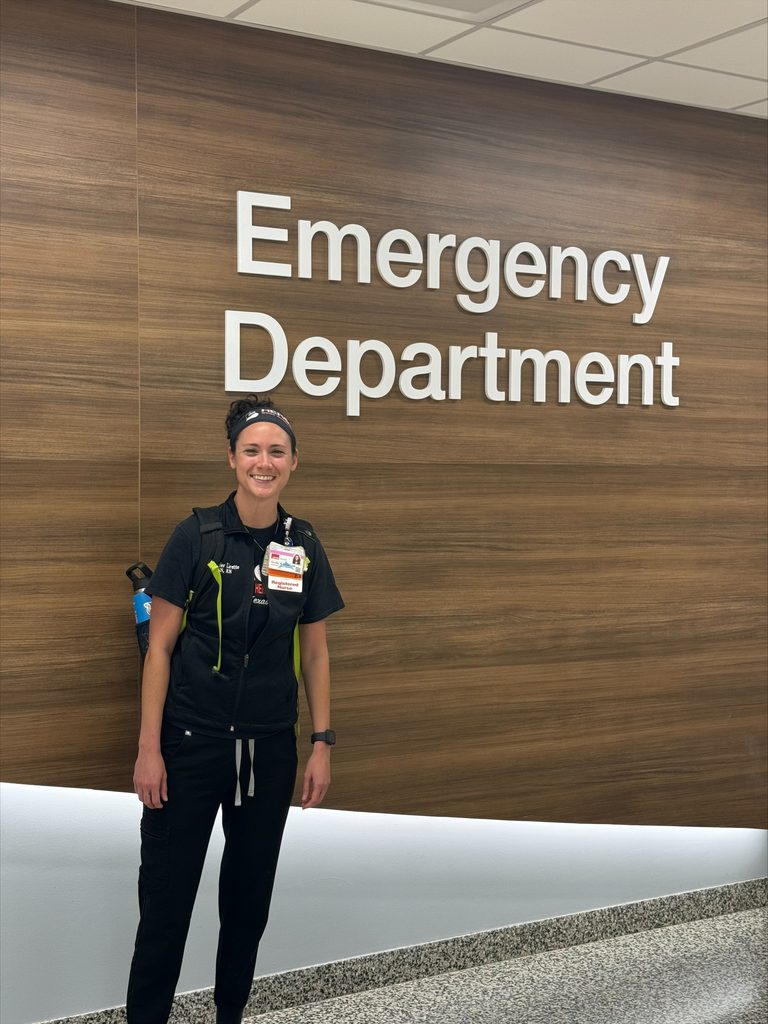
Ryan has worked in the emergency department at Cedars-Sinai Medical Center in Los Angeles for 12 years. The hospital is also a Level I trauma center, a stroke center, STEMI receiving center, geriatric emergency care facility, and RESPTC.
For Ryan, working in an emergency department means being prepared for the unexpected.
That readiness includes maintaining awareness of current infectious disease threats and incorporating relevant travel and exposure history into the patient assessment. Fever or other compatible symptoms combined with recent travel to an area experiencing an outbreak, for example, may warrant additional screening and precautions.
Cedars-Sinai is located near a busy international airport, and its emergency department frequently sees international travelers as well as local residents returning from trips abroad. One of the questions Ryan asks is simple: “Have you traveled outside the country in the past month?”
The answer may lead to additional questions about where the patient traveled, potential exposures, symptoms, or vaccination history. The goal isn’t for an emergency nurse to diagnose a rare infectious disease at triage. It’s to recognize when a patient’s history and symptoms may warrant further evaluation and initiate the appropriate response.
Jennifer emphasized that these screening questions can sometimes feel routine, especially in a busy emergency department. During her time as an emergency nurse, she didn’t always appreciate how far the effects of those first screening decisions could extend.
Now that she works in special pathogen preparedness, she sees those questions differently.
By identifying a potential infectious disease risk early, emergency nurses may help prevent exposures throughout the patient’s care—from the emergency department to other units, facilities, and healthcare personnel. Jennifer describes it as a ripple effect: one nurse asking the right questions at the right time can make an impact on what happens long after that initial encounter.
Know Your PPE—and Protect Yourself, Too
Emergency nursing requires moving quickly. But both Ryan and Jennifer emphasized that the urgency of caring for a patient shouldn’t come at the expense of protecting the people providing that care.
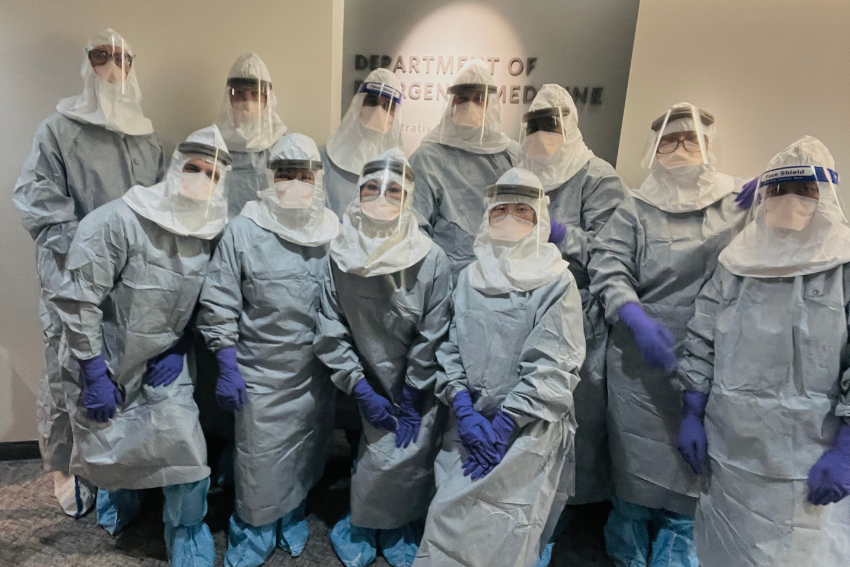
Appropriate personal protective equipment (PPE) will vary based on the suspected pathogen, anticipated exposure, and care being provided. Emergency nurses don’t need to memorize every possible ensemble, but they should know how to quickly access their facility’s guidance, what PPE is appropriate for the situation, and where it is located.
NETEC’s PPE Matrix for High-Consequence Infectious Diseases provides pathogen-specific guidance to help healthcare facilities understand PPE considerations for patients with suspected or confirmed high-consequence infectious diseases.
Jennifer reflected on how easy it can be in a fast-moving emergency department to focus so completely on the immediate needs of a patient that healthcare workers don’t always give the same attention to protecting themselves.
“Nurses are trained to care for other people, and they’re not really trained to care for themselves,” Jennifer said.
But protecting yourself is part of caring for your patients. An occupational exposure means you may be unable to work and could potentially expose coworkers, other patients, family members, or others in the community.
Taking the time to use appropriate precautions, then, isn’t separate from caring for patients. It’s part of providing safe care—for yourself and for everyone around you.
That doesn’t mean slowing down care. “Slow is smooth, smooth is fast,” Ryan said. In other words, a calm, deliberate approach can help healthcare workers avoid mistakes that may put themselves or others at risk.
“Most of these patients will be stable, so there is no need to rush in providing care,” Ryan said. “Rushing will put you and coworkers at risk of exposure.”
That deliberate approach is particularly important when donning and doffing PPE. NETEC’s PPE donning and doffing resources can support hands-on training and practice before those skills are needed in a real event.
Practice Before You Need It
Special pathogen events are rare, which presents a challenge: How do emergency departments maintain readiness for situations that staff may rarely encounter?
Both Ryan and Jennifer pointed to hands-on practice.
At Cedars-Sinai, Ryan has found dedicated special pathogen training and unannounced mystery-patient exercises particularly useful. During special pathogen courses, ED staff work through realistic scenarios, practice Identify, Isolate, Inform, and get hands-on experience with PPE.
Mystery-patient drills take that training a step further by testing what happens when a simulated patient actually arrives at triage. Does the screening process identify the potential threat? Does the team know how to isolate the patient and whom to notify? Do the hospital’s plans work as intended?
NETEC offers customizable exercise templates, including mystery-patient drills, that healthcare facilities can use to test and strengthen their preparedness.
Jennifer has also found hands-on PPE training valuable. At UTMB, staff have worked directly with emergency department nurses and technicians to review the components of their HCID PPE kits and practice donning and doffing.
Simply sending out a PowerPoint isn’t the same as physically practicing the process, she noted. Repeated hands-on experience helps make an unfamiliar procedure more familiar before a real patient arrives.
Preparedness also means testing the plan itself.
Jennifer emphasized that just because a protocol looks good on paper, it may work differently when staff try to carry it out in the actual clinical environment.
Where will the patient go? What route will they take? What equipment needs to be available? Where is the PPE? What should be removed from the room? Who will provide care?
Working through those questions ahead of time can uncover problems before an emergency.
Know Who to Call
Perhaps the most important message from both nurses is that emergency nurses aren’t expected to manage a potential special pathogen patient by themselves.
Know your hospital’s resources before you need them.
That may include infection prevention and control, infectious disease specialists, emergency management, hospital leadership, or a dedicated special pathogens team. Jennifer noted that these experts can help nurses interpret protocols, identify appropriate precautions, locate resources, and determine next steps.
Support also extends beyond an individual hospital. Each U.S. Department of Health and Human Services region has a Regional Emerging Special Pathogen Treatment Center (RESPTC) that serves as a hub for special pathogen preparedness and response. Knowing your RESPTC before an event occurs can help your facility understand where regional expertise and support are available when needed.
Find your RESPTC and regional contacts.
The Ripple Effect of Being Prepared
Emergency nurses may care for an individual patient for a relatively short period of time. But when that patient has a suspected special pathogen, what happens during those first minutes can influence the rest of the patient’s care—and help protect everyone who encounters them afterward.
That’s the ripple effect Jennifer came to appreciate after moving from emergency nursing into special pathogen preparedness. Asking the right screening questions, recognizing a potential infectious disease risk, using appropriate precautions, and notifying the right people can help prevent exposures not only in the emergency department, but throughout the healthcare system.
It also underscores why preparedness doesn’t mean expecting every emergency nurse to become a special pathogens expert. It means giving nurses the knowledge, practice, tools, and support to respond safely when an uncommon infectious disease does come through the door.
And during Emergency Nurses Week, Jennifer offered one more reminder for the nurses who spend their shifts caring for everyone else: They matter, too.
Emergency nursing is demanding and unpredictable work. Jennifer described it as difficult, but also deeply rewarding. The instinct to put patients first is part of what defines nursing—but protecting yourself is also part of protecting your patients, your colleagues, your family, and your community.
This Emergency Nurses Week, NETEC celebrates the emergency nurses who bring skill, vigilance, and compassion to their work every day. Their role in special pathogen preparedness may begin with something as simple as asking the right question, putting on the appropriate PPE, or knowing who to call. But those actions can have an impact far beyond the emergency department.
To emergency nurses everywhere: Thank you for caring for your patients, looking out for one another, and helping keep our healthcare systems and communities safe.