NETEC News & Blog
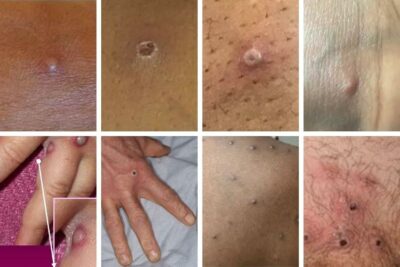
Mpox in 2024: 10 Takeaways for Frontline Health Care Staff
A recent webinar, “Mpox in 2024: Updates and Considerations for Frontline Staff,” provided an overview of the current landscape of mpox, clinical management guidance, and emerging challenges associated with this infectious disease. Here are the key takeaways highlighting the global and national impact, current activity trends, clinical management strategies, and vaccination protocols for mpox.

New FAQs and SBARs for Ebola Virus Disease, Crimean-Congo Hemorrhagic Fever, and Nipah Virus
The NETEC Biocontainment Unit workgroup has released a new series of resources for managing high-consequence infectious diseases in isolated care environments. These six templates for frequently asked questions and SBARs (Situation, Background, Assessment, and Recommendations) were designed for health care facilities to use during real-world responses to special pathogen outbreaks.
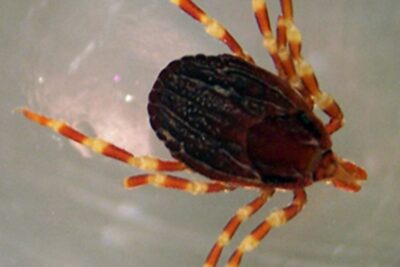
A Clinician’s Reference Guide to Crimean Congo Hemorrhagic Fever
Ten takeaways for clinicians who need to understand Crimean-Congo Hemorrhagic Fever (CCHF), including clinical features, diagnostics, and therapies.
2024 Joint Commission Standards for Infection Control Q&A
Participants on the “Introduction to the 2024 Joint Commission Standards for Infection Control” webinar submitted questions to our subject matter experts. The key questions have been answered by our experts here.

HPAI and Pediatrics: What Clinicians Need to Know
Highly pathogenic avian influenza (HPAI) can be caused by several different strain types. H5N1, the strain type recently identified in a human in Texas, was initially detected in 1996 but has primarily been found in wild birds (hence the name). Although transmission directly from birds to humans is very unusual, transmission from birds to other mammals occurs more frequently. Sporadic outbreaks in several species of mammals (both terrestrial, including commercial poultry, and marine species) have occurred and are increasing in frequency. Human transmission from animals is rare and typically occurs in adults with close occupational contact with animals. Human-to-human transmission has not been reported in the United States. Consequently, HPAI has not been reported in children in the U.S

Laboratory Resources for Highly Pathogenic Avian Influenza (HPAI) – Update 2024
NETEC experts in safe laboratory practices for high-consequence infectious diseases have developed a resource on laboratory testing, specimen handling, and shipping for Highly Pathogen Avian Influenza (HPAI).
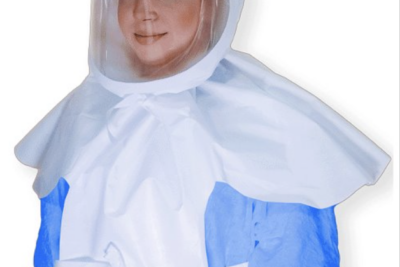
PAPRs for Respiratory Protection
Personal Protective Equipment (PPE) is an essential element of health care worker safety, protecting against various occupational hazards. Powered Air-Purifying Respirators (PAPRs) are an important type of protective gear that plays a critical role in maintaining respiratory health and safety in different work environments.

Mpox Update for EMS Personnel
It is very unlikely that EMS clinicians will encounter a person infected with clade I or clade II MPXV, the types endemic to central and west Africa, during routine operations. It is more likely that EMS clinicians will encounter a patient infected with clade IIb MPXV. However, EMS personnel should be aware of the possibility of clade I MPXV in travelers who have been in DRC and always adhere to an identify, isolate, and inform strategy.

Climate Change and Infectious Diseases
How climate change and environmental factors affect disease epidemiology and the emergence of vector-borne diseases.
DOT Guidance on Monkeypox Virus Waste
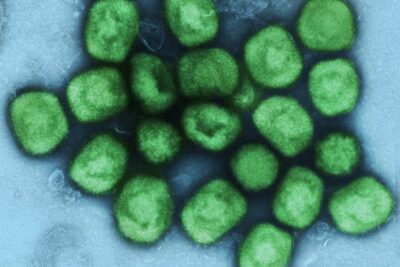
New advice from the Department of Transportation (DOT) has been issued to address the handling of diagnostic samples and clinical waste containing monkeypox virus (MPXV).